
Choosing Between SaaS Website Traffic Tools and Traditional Methods for Your Business

As a SaaS business owner, you are likely weighing the benefits of using SaaS website traffic tools versus traditional methods to drive organic traffic to your site. Understanding the differences and applications of each can significantly impact your growth and revenue generation.
This guide will help you navigate this decision-making process, providing practical steps tailored to your specific scenario. If your goal is to enhance your website traffic effectively, read on for clear strategies.
Table of Contents

If This Is You...
You're a SaaS business owner looking to improve your website traffic but are unsure whether to invest in SaaS website traffic tools or stick with traditional methods. You may have tried a few tactics but haven't seen the results you want. You want to make a smart decision that optimally boosts your organic traffic while considering your budget and resources. Unlocking the Power of Free Website Traffic: Your Comprehensive Guide.
Understanding your specific needs and goals is crucial in making this decision. Here's a breakdown of considerations that can help you determine the best approach for your SaaS business. digital marketing tools.
Assess Your Current Traffic Sources
Start by analyzing where your current traffic is coming from. Use tools like Google Analytics to identify your top traffic sources, such as organic search, direct visits, referrals, or social media. This information will help you understand what's working and where there's room for improvement. Here's a simple checklist to guide you:
- Review your traffic sources and percentages.
- Identify which channels are driving the most conversions.
- Evaluate the quality of traffic from each source (bounce rates, session duration).
Once you have this data, consider creating a visual representation, such as a pie chart or bar graph, to easily see the distribution of your traffic sources. This can help you quickly identify which areas are performing well and which ones may need more attention.
Define Your Goals
What do you want to achieve with your website traffic? Are you looking to increase brand awareness, generate leads, or boost sales? Clearly defined goals will help you determine whether SaaS tools or traditional methods align better with your objectives. Consider the following:
- Set specific, measurable goals (e.g., increase organic traffic by 30% in six months).
- Identify key performance indicators (KPIs) to track progress.
- Consider short-term vs. long-term goals and how each method supports them.
For example, if your goal is to increase lead generation, you might focus on optimizing your content for specific keywords that attract your target audience. If brand awareness is your priority, consider leveraging social media platforms to share valuable content and engage with your audience.
Evaluate Your Budget
Budget constraints can significantly influence your decision. SaaS tools often come with monthly or annual subscription fees, while traditional methods may require more time investment but less financial outlay. Here's how to evaluate your budget:
- List all potential costs associated with SaaS tools (subscriptions, training, etc.).
- Estimate the time investment required for traditional methods (content creation, outreach).
- Consider the potential ROI of each approach based on your goals.
To make a more informed decision, create a comparison table that outlines the costs and expected benefits of each method. This will help you visualize the trade-offs and choose the option that provides the best value for your investment.
Consider Your Resources
Assess your team's skills and available resources. If you have a dedicated marketing team, they may be more adept at utilizing SaaS tools effectively. Conversely, if you're a small operation, traditional methods might be more manageable. Here are some points to consider:
- Do you have team members with experience using specific SaaS tools?
- How much time can you realistically dedicate to implementing traditional strategies?
- Are there existing resources (like content or contacts) that can be leveraged for traditional methods?
Additionally, consider conducting a skills audit to identify gaps in your team's capabilities. This can help you determine if you need to invest in training or hire freelancers to support your efforts, especially if you decide to go the SaaS route.
Test and Measure
Whichever approach you choose, it's crucial to test and measure your results. Start with a small experiment to see which methods yield the best results. Here's a simple plan:
- Choose one SaaS tool and one traditional method to test simultaneously.
- Set a timeline for the experiment (e.g., one month).
- Track your traffic and conversions using your KPIs.
- Analyze the results at the end of the experiment to see which method performed better.
Make sure to document your findings thoroughly. Create a report that includes data visualizations, insights, and recommendations based on your experiment. This will not only help you understand the effectiveness of each approach but also serve as a reference for future marketing strategies.
By carefully considering your current situation, defining clear goals, evaluating your budget and resources, and being willing to test different approaches, you can make an informed decision on whether to invest in SaaS website traffic tools or stick with traditional methods. This strategic approach will ultimately help you maximize your organic traffic and revenue potential.
Understanding the Basics: SaaS Website Traffic Tools vs. Traditional Methods
Before diving into strategies, it's important to understand what each method entails. SaaS website traffic tools often leverage advanced technology and data analytics to optimize your online presence. In contrast, traditional methods may include manual outreach, basic SEO practices, and social media marketing without the aid of extensive tools.
Advantages of SaaS Website Traffic Tools
- Automation: Many SaaS tools automate tedious tasks, allowing you to focus on strategic initiatives. For example, tools like SEMrush or Ahrefs can automate keyword tracking and backlink analysis, saving you hours of manual work each week.
- Data-Driven Insights: These tools provide analytics that can guide your marketing decisions and improve your SEO efforts. With features like real-time performance tracking and competitor analysis, you can make informed decisions based on actual data rather than assumptions.
- Scalability: As your business grows, SaaS tools can easily scale to meet increased traffic demands. For instance, if you start with a small blog and expand into an e-commerce site, tools like Google Analytics can adapt to track different metrics relevant to your new business model.
- Integration: SaaS tools often integrate seamlessly with other platforms, allowing for a unified approach to traffic management. For example, using a tool like HubSpot can connect your email marketing, social media, and website analytics in one dashboard, streamlining your efforts.
- Cost-Effectiveness: Many SaaS tools operate on a subscription basis, which can be more affordable than hiring a full-time team for traffic generation. This allows small businesses to access high-quality tools without breaking the bank.
Limitations of Traditional Methods
- Time-Consuming: Traditional methods often require significant time and manual effort, which can drain resources. For example, manually reaching out to potential partners for backlinks can take hours, while a SaaS tool can automate this process.
- Limited Scope: Without advanced tools, it may be challenging to analyze performance and adjust strategies effectively. Relying on basic metrics like page views without understanding user behavior can lead to misguided strategies.
- Less Competitive: As more businesses adopt SaaS tools, traditional methods may not keep pace with the competition. For instance, if your competitors are using advanced analytics to optimize their content while you rely on guesswork, you may fall behind in search rankings.
- Inconsistent Results: Traditional methods can yield unpredictable outcomes. For instance, social media posts may go viral one day and flop the next, making it hard to rely on them for consistent traffic generation.
- Skill Dependency: Many traditional methods require specific skills, such as graphic design for social media posts or copywriting for outreach emails. This can create a bottleneck if the necessary skills are not present within your team.
Choosing the Right Approach
When deciding between SaaS website traffic tools and traditional methods, consider your business goals, resources, and the level of competition in your industry. A hybrid approach often works best, combining the automation and data insights of SaaS tools with the personal touch of traditional methods. Here's a quick checklist to help you evaluate your options:
- Assess Your Resources: Do you have the time and skills to implement traditional methods effectively?
- Define Your Goals: Are you looking for quick results or long-term growth?
- Analyze Your Competition: What tools are your competitors using, and how can you differentiate your approach?
- Test and Iterate: Consider running small-scale experiments with both methods to see what yields the best results for your specific situation.
By understanding the strengths and weaknesses of both SaaS website traffic tools and traditional methods, you can create a tailored strategy that maximizes your traffic potential and aligns with your business objectives.
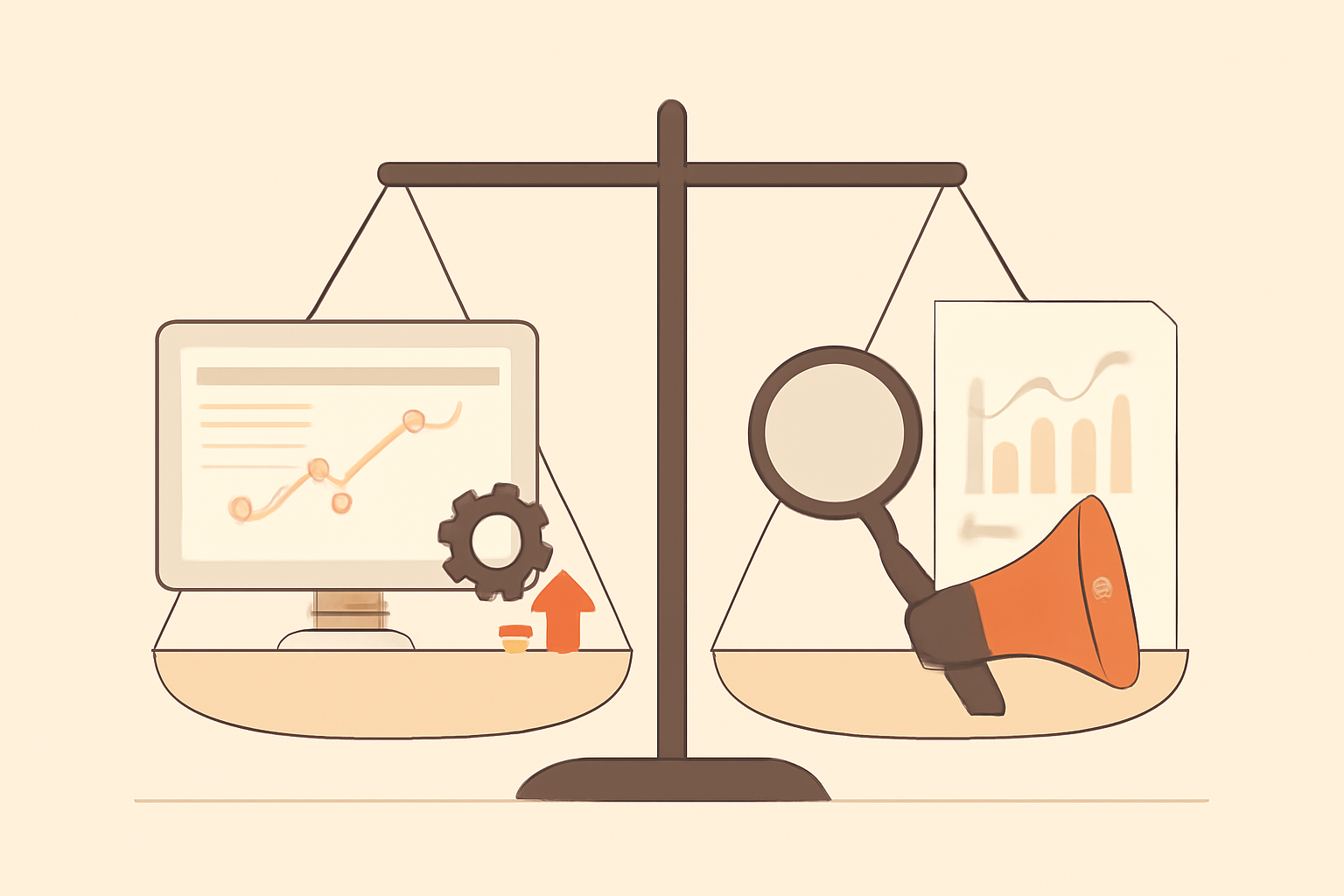
Your Step-by-Step Plan
To make the most informed decision, follow this step-by-step plan tailored to your specific scenario:
Step 1: Assess Your Current Traffic Sources
Identify where your current traffic comes from. Use tools like Google Analytics to understand user behavior and traffic origins. Look for key metrics such as:
- Traffic Channels: Determine which channels (organic, direct, referral, social) are driving the most visitors.
- User Behavior: Analyze metrics like bounce rate, average session duration, and pages per session to gauge engagement.
- Geographic Data: Understand where your visitors are coming from to tailor your content and marketing strategies accordingly.
Common mistakes include overlooking underperforming channels or failing to segment your audience. Make sure to take a holistic view of all traffic sources.
Step 2: Define Your Goals
What are you hoping to achieve? Higher traffic, improved conversion rates, or better SEO rankings? Defining clear objectives will guide your choice. Consider using the SMART criteria:
- Specific: Clearly outline what you want to achieve (e.g., "Increase organic traffic by 30% in six months").
- Measurable: Ensure you can track progress using analytics tools.
- Achievable: Set realistic goals based on your current traffic levels and resource availability.
- Relevant: Align your goals with overall business objectives.
- Time-bound: Establish a timeline for achieving your goals.
Step 3: Explore SaaS Website Traffic Tools
Research various SaaS tools that can enhance your traffic, such as AI SEO content generators or Shopify traffic solutions. Look for features that align with your goals. Consider the following aspects:
- Ease of Use: Ensure the tool is user-friendly and integrates well with your existing systems.
- Scalability: Choose tools that can grow with your business needs.
- Support and Resources: Look for tools that offer robust customer support and educational resources.
Examples of popular SaaS tools include Ahrefs for SEO analysis, SEMrush for keyword research, and BuzzSumo for content discovery. Be cautious of tools that promise quick fixes without substantial evidence of effectiveness.
Step 4: Evaluate Traditional Methods
Consider the traditional methods you have previously implemented. Analyze their effectiveness and whether they align with your current business needs. Key aspects to evaluate include:
- Performance Metrics: Review conversion rates, lead generation, and customer acquisition costs associated with traditional methods.
- Resource Allocation: Assess the time and money spent on these methods compared to their outcomes.
- Market Trends: Stay informed about shifts in marketing strategies and consumer behavior that could impact the effectiveness of traditional methods.
Common mistakes include sticking to outdated methods out of habit or failing to adapt to changing market conditions. Be open to reassessing these strategies.
Step 5: Compare Costs and Resources
Analyze the cost of SaaS tools against the resources required for traditional methods. Make sure to consider the return on investment for each approach. Here's how to do it effectively:
- Cost Analysis: List all expenses related to both SaaS tools and traditional methods, including software subscriptions, advertising costs, and human resources.
- ROI Calculation: Estimate the potential revenue increase from each method. This can be done by calculating projected leads and conversions based on historical data.
- Opportunity Cost: Consider what you might miss out on by choosing one method over another, such as potential growth from adopting new technologies.
Common pitfalls include underestimating hidden costs associated with traditional methods or failing to account for the long-term benefits of SaaS tools.
Step 6: Implement a Trial Period
Consider running a trial of selected SaaS tools while continuing with your current methods. Monitor results closely to determine which strategy yields better traffic. Here's how to set up an effective trial:
- Select Key Performance Indicators (KPIs): Identify the metrics that matter most for your goals, such as website visits, conversion rates, or engagement levels.
- Set a Time Frame: Decide how long the trial will last-typically 30 to 90 days is sufficient to gather actionable data.
- Document Everything: Keep detailed records of your traffic sources, user engagement, and conversion rates during the trial.
Common mistakes include not giving enough time for the trial or failing to adjust other marketing efforts during this period, which can skew results.
Step 7: Optimize Based on Data
Use the insights gathered from your trial to optimize your traffic strategy. This may involve fully adopting SaaS tools, adjusting traditional methods, or both. Follow these steps for effective optimization:
- Analyze Data Thoroughly: Look at the performance data from your trial to identify what worked and what didn't.
- Make Informed Decisions: Based on your analysis, decide whether to pivot your strategy, double down on successful tools, or refine traditional methods.
- Continuous Improvement: Treat this as an ongoing process. Regularly review your traffic strategy and adapt as necessary to stay ahead of trends.
Common mistakes include making hasty decisions based on short-term results or neglecting to consider external factors influencing traffic trends.
Final Thoughts
Choosing between SaaS website traffic tools and traditional methods doesn't have to be daunting. By assessing your current situation, defining your goals, and carefully evaluating your options, you can make a strategic decision that enhances your website traffic. Start by assessing your current traffic sources, and leverage Free Traffic Blogger insights to navigate your journey toward successful traffic enhancement.
Before making a decision, consider these practical steps to ensure you're on the right path:
1. Assess Your Current Traffic Sources
Begin by taking a close look at where your current traffic is coming from. Use analytics tools to gather data on:
- Referral Traffic: Identify which websites are sending visitors your way. This can help you understand partnerships or affiliations that may be beneficial.
- Organic Search: Analyze how well your content is performing in search engines. Look at keyword rankings and click-through rates to gauge effectiveness.
- Social Media: Determine which platforms are driving the most engagement and traffic. Consider using social media analytics tools to track performance.
- Direct Traffic: Understand how many users are visiting your site directly, which can indicate brand recognition and loyalty.
By having a clear picture of your current traffic sources, you can identify strengths and weaknesses in your online presence. Consider creating a simple spreadsheet to map out these sources, noting their performance metrics for better visualization.
2. Define Your Goals
Next, set clear and achievable goals for your website traffic. Consider the following:
- Increase Overall Traffic: Aim for a percentage increase over a specific time frame, such as a 20% increase in three months. This gives you a tangible target to work towards.
- Enhance Engagement: Focus on reducing bounce rates and increasing time spent on your site. For example, aim for a bounce rate below 50% and an average session duration of over three minutes.
- Boost Conversions: Set targets for how many visitors you want to convert into leads or sales. Aiming for a conversion rate of 2-5% can be a good benchmark depending on your industry.
Having well-defined goals will help you measure the success of whichever method you choose, whether it's a SaaS tool or a traditional approach. Document your goals and review them regularly to stay on track.
3. Evaluate Your Options
When it comes to choosing between SaaS website traffic tools and traditional methods, weigh the pros and cons of each:
- SaaS Tools:
- Pros: Automation, scalability, and often built-in analytics that provide insights into traffic performance.
- Cons: Monthly fees, potential learning curve, and reliance on third-party services that may change their offerings.
- Traditional Methods:
- Pros: Direct control over your strategies, often lower costs, and familiarity with methods that have been proven over time.
- Cons: Time-consuming, may require more manual effort, and potentially less data-driven insights compared to automated tools.
Consider your budget, resources, and the specific needs of your business when making this decision. You might find it useful to create a pros and cons list for each option to help visualize your choices.
4. Implement Your Strategy
Once you've made your choice, it's time to implement your strategy. Here are some practical tips:
- Set Up Tracking: Ensure you have tracking in place to measure the effectiveness of your traffic methods. Use tools like Google Analytics to monitor key performance indicators (KPIs).
- Test and Optimize: Regularly test different strategies (like A/B testing landing pages) to see what works best for your audience. Document your findings to refine future efforts.
- Monitor Performance: Use tools to keep an eye on your traffic metrics, adjusting your approach as necessary. Set up alerts for significant changes in traffic patterns.
Creating a checklist for the implementation process can help ensure you don't miss any critical steps. Consider including timelines for each phase of your strategy.
5. Common Mistakes to Avoid
As you navigate your traffic enhancement journey, be mindful of these common pitfalls:
- Neglecting Data: Failing to analyze your traffic data can lead to missed opportunities for improvement. Make it a habit to review your analytics weekly.
- Setting Unrealistic Goals: Aim for achievable targets to maintain motivation and measure success accurately. Break larger goals into smaller, manageable milestones.
- Ignoring User Experience: Focus on providing value to your visitors; traffic is meaningless if it doesn't convert. Regularly solicit feedback from users to improve their experience.
By following these steps and avoiding common mistakes, you can confidently choose the right approach to boost your website traffic. Remember, the goal is not just to increase numbers but to enhance the quality of traffic that leads to revenue generation. Leverage the insights and tools available to you, including those from Free Traffic Blogger, and watch your website thrive.
Want to get free traffic from Google & ChatGPT? Click the button to learn more about how we can do that for you on autopilot!
Learn More