
Effective Ecommerce SEO Strategies for SaaS Teams When You Want to Boost Online Sales

As a SaaS business, navigating the world of ecommerce SEO can be challenging. With a unique blend of software and online sales, your strategies need to be more tailored and effective to drive traffic and conversions. This guide is here to help you implement practical ecommerce SEO strategies that align with your specific needs.
If you're ready to enhance your online visibility and increase sales, you've come to the right place. Let's dive into actionable steps that will transform your SaaS business into a traffic-generating machine.
Table of Contents

If This Is You...
You are a SaaS company looking to increase your customer base through online sales channels. You realize that effective search engine optimization is crucial for visibility and attracting potential customers. You might be struggling with how to optimize your website, create relevant content, or use SEO tools effectively. This guide will provide you with the strategies you need to succeed in the ecommerce landscape. The Ultimate Guide to Shopify SEO for E-commerce Success.
To ensure you're on the right track, let's break down some practical steps you can take to enhance your ecommerce SEO strategies for your SaaS business. By following these guidelines, you can make your website more appealing to search engines and potential customers alike. enhancing online visibility.
Identify Your Target Audience
Understanding your audience is the first step in any successful SEO strategy. You need to know who your ideal customers are, what they are searching for, and how your SaaS solution can meet their needs. Here's how to do that:
- Create Customer Personas: Develop detailed profiles of your ideal customers, including demographics, pain points, and buying behavior.
- Conduct Keyword Research: Use tools like Google Keyword Planner or SEMrush to identify keywords that your target audience is searching for. Focus on long-tail keywords that are specific to your SaaS offering.
- Analyze Competitors: Look at your competitors' websites and see which keywords they are targeting. This can provide insight into what works in your niche.
Optimize Your Website Structure
Your website's structure plays a significant role in SEO. A well-organized site not only helps search engines crawl your pages but also enhances user experience. Consider the following:
- Use Clear Navigation: Ensure that your site is easy to navigate. Use a logical hierarchy with categories and subcategories that make sense for your SaaS offerings.
- Implement a Mobile-Responsive Design: With an increasing number of users accessing websites via mobile devices, it's crucial to have a responsive design that provides a seamless experience across all devices.
- Optimize Page Load Speed: A slow-loading website can deter potential customers. Use tools like Google PageSpeed Insights to analyze and improve your site's loading time.
Create High-Quality, Relevant Content
Content is king in the world of SEO. Producing valuable content that addresses your audience's needs will not only improve your rankings but also establish your authority in the SaaS space. Here are some tips:
- Develop a Content Strategy: Plan your content around the keywords you identified earlier. Create blog posts, videos, infographics, and case studies that provide solutions to common problems your audience faces.
- Incorporate SEO Best Practices: Use your target keywords naturally in titles, headers, and throughout the content. Don't forget to optimize meta descriptions and alt tags for images.
- Update Content Regularly: Keep your content fresh and relevant by updating it regularly. This could include revising old blog posts or adding new information to existing pages.
Utilize SEO Tools
Making the most of SEO tools can streamline your efforts and provide valuable insights. Here are some essential tools to consider:
- Google Analytics: Track your website traffic, user behavior, and conversion rates. This data can help you refine your SEO strategy over time.
- Ahrefs or Moz: These tools can assist with keyword research, backlink analysis, and site audits, giving you a comprehensive overview of your SEO performance.
- Yoast SEO: If you're using WordPress, this plugin can help you optimize your content for search engines with real-time feedback.
Common Mistakes to Avoid
As you implement these strategies, be mindful of common pitfalls that can hinder your SEO efforts:
- Neglecting On-Page SEO: Focusing solely on off-page strategies like backlinks while ignoring on-page elements can limit your visibility.
- Ignoring User Experience: A website that's difficult to navigate or slow to load can lead to high bounce rates, negatively impacting your SEO.
- Overlooking Local SEO: If your SaaS has a local component, ensure you optimize for local search by claiming your Google My Business listing and using local keywords.
By following these steps and avoiding common mistakes, you can enhance your ecommerce SEO strategies for your SaaS business. The goal is to create a user-friendly website that provides valuable content while optimizing for search engines to attract more potential customers. Keep refining your approach, and you'll see your customer base grow over time.
Understanding Ecommerce SEO for SaaS
Ecommerce SEO focuses on optimizing your online store to rank higher in search engine results, driving organic traffic. For SaaS teams, this means not only optimizing your product pages but also ensuring that your content engages users and converts visitors into customers.
To achieve effective ecommerce SEO for your SaaS business, it's essential to adopt a multi-faceted approach. This involves understanding keywords, optimizing your site structure, creating engaging content, and leveraging analytics to refine your strategy over time. Below, we will delve deeper into these components, providing actionable steps and examples to enhance your ecommerce SEO efforts.
Keyword Research and Optimization
Keyword research is the foundation of any successful SEO strategy. For SaaS businesses, identifying the right keywords can significantly influence your visibility in search results. Here are the steps to conduct effective keyword research:
- Identify Core Topics: Start by brainstorming core topics related to your SaaS product. For example, if you offer project management software, your core topics might include "project management," "team collaboration," and "task tracking."
- Use Keyword Tools: Utilize tools like Google Keyword Planner, Ahrefs, or SEMrush to find keywords related to your core topics. Look for keywords with a good search volume and low competition. For instance, "best project management software for teams" might be a valuable keyword.
- Analyze Competitors: Review the keywords your competitors are ranking for. This can provide insights into potential gaps in your strategy or new keyword opportunities.
- Long-Tail Keywords: Focus on long-tail keywords, which are often more specific and less competitive. For example, "affordable project management tools for startups" can draw targeted traffic.
On-Page Optimization
Once you've identified your target keywords, the next step is to optimize your website's on-page elements. Here's a checklist to ensure you're covering all bases:
- Title Tags: Include your primary keyword in the title tag of each page. Make it compelling to improve click-through rates. For example, "Top Project Management Software for Efficient Team Collaboration."
- Meta Descriptions: Write engaging meta descriptions that summarize the content and include relevant keywords. Keep it under 160 characters.
- Header Tags: Use header tags (H1, H2, H3) to structure your content. Your primary keyword should be in the H1, while related keywords can be in H2s and H3s.
- Image Alt Text: Optimize images by including descriptive alt text that incorporates keywords. This helps improve accessibility and can drive traffic from image searches.
- Internal Linking: Use internal links to connect related content on your site. This not only helps with navigation but also distributes page authority throughout your site.
Content Creation and Engagement
Creating high-quality, engaging content is crucial for attracting and retaining visitors. Here are some strategies to enhance your content:
- Blog Posts: Regularly publish blog posts that address common pain points in your industry. For example, a post titled "5 Tips for Effective Remote Team Collaboration" can draw in potential customers.
- Case Studies: Showcase success stories from existing customers. This not only provides social proof but also helps potential customers visualize the benefits of your product.
- Webinars and Tutorials: Offer free webinars or tutorials that educate users about your product and its features. This can position you as an authority in your field and build trust with potential customers.
- FAQs and Knowledge Base: Create a comprehensive FAQ section or knowledge base that addresses common questions about your SaaS product. This can improve user experience and reduce customer support inquiries.
Technical SEO Considerations
Technical SEO is often overlooked but is vital for ensuring search engines can crawl and index your site effectively. Here are key technical aspects to focus on:
- Site Speed: Ensure your website loads quickly. Use tools like Google PageSpeed Insights to analyze and improve load times. A slow site can lead to higher bounce rates.
- Mobile Optimization: With more users accessing websites from mobile devices, ensure your site is mobile-friendly. Use responsive design to provide a seamless experience across devices.
- Secure Sockets Layer (SSL): Implement SSL to secure your site. This not only protects user data but also boosts your SEO ranking, as Google favors secure sites.
- XML Sitemap: Create and submit an XML sitemap to search engines. This helps them understand your site structure and index your pages more efficiently.
- Robots.txt File: Use a robots.txt file to control which parts of your site search engines can crawl. This can help prevent duplicate content issues.
Analytics and Continuous Improvement
Finally, tracking your SEO performance is essential for continuous improvement. Here's how to effectively use analytics:
- Set Up Google Analytics: Implement Google Analytics to monitor traffic, user behavior, and conversion rates. Pay attention to which pages are performing well and which need improvement.
- Track Keyword Rankings: Use tools like Moz or Ahrefs to monitor your keyword rankings over time. This will help you understand the effectiveness of your SEO strategies.
- Conversion Tracking: Set up conversion tracking to measure how many visitors take desired actions on your site, such as signing up for a trial or making a purchase.
- A/B Testing: Conduct A/B tests on different elements of your site, such as call-to-action buttons or landing page layouts, to determine what resonates best with your audience.
By following these steps and continuously refining your approach, you can effectively enhance your ecommerce SEO strategy for your SaaS business, driving organic traffic and converting visitors into loyal customers.
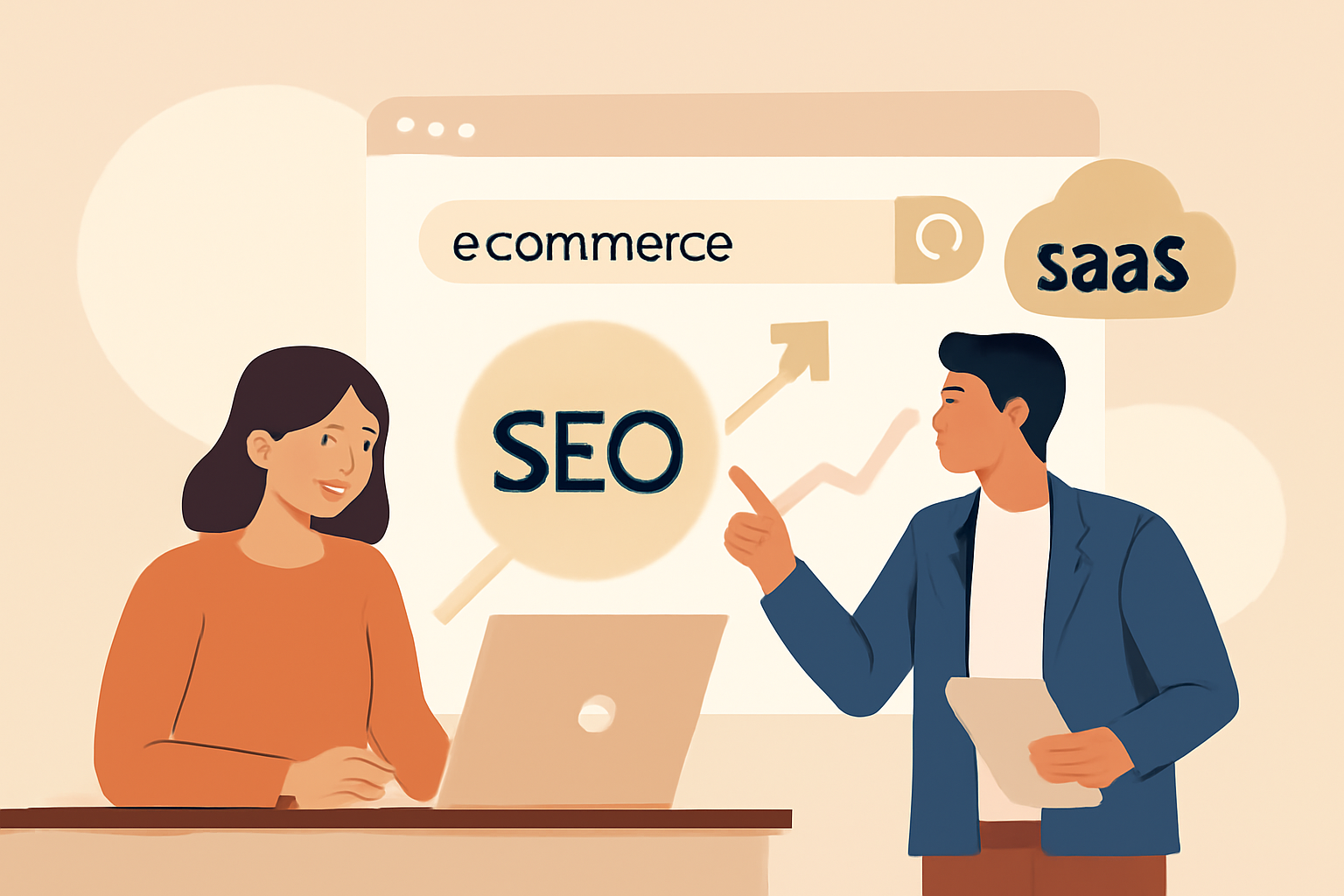
Key Strategies for Ecommerce SEO
1. Optimize Product Pages
Your product pages are the backbone of your ecommerce site. Use relevant keywords in titles, descriptions, and meta tags. For SaaS, this means clearly explaining your software's features and benefits. Consider incorporating phrases like "SEO solutions for e-commerce" to capture the right audience.
2. Create High-Quality Content
Content marketing is essential for driving traffic. Utilize an AI SEO content generator to create engaging blog posts and articles that address common questions and pain points in your industry. Make sure to integrate keywords related to your SaaS offerings, such as "Shopify search optimization."
3. Leverage Shopify Traffic Solutions
If your SaaS product integrates with platforms like Shopify, ensure you take advantage of Shopify traffic solutions. This includes optimizing for keywords that potential customers might use to find your services within the Shopify ecosystem.
4. Focus on On-Page SEO
On-page SEO involves optimizing individual pages to rank higher. This includes using header tags appropriately, optimizing images, and ensuring fast loading times. Make sure to use alt text for images that includes relevant keywords, enhancing your chances of appearing in image search results.
5. Build Quality Backlinks
Backlinks from reputable sites can significantly improve your site's authority. Consider guest blogging, partnerships, or engaging in community forums where you can share your expertise. This helps in building credibility and driving traffic to your site.
6. Monitor and Adjust Your Strategies
Regularly check your analytics to see which strategies are working. Use tools to track your keyword rankings, traffic sources, and conversion rates. Adjust your approach based on the data to ensure continuous improvement and effectiveness in your SEO strategies.
Step-by-Step Plan to Implement Ecommerce SEO
Step 1: Conduct Keyword Research
Identify relevant keywords for your SaaS offerings. Use tools like Google Keyword Planner to find high-volume, low-competition keywords. Start by brainstorming a list of terms related to your services, then expand this list using these methods:
- Competitor Analysis: Analyze the keywords your competitors are ranking for. Tools like SEMrush or Ahrefs can provide insights into their keyword strategies.
- Long-Tail Keywords: Focus on long-tail keywords that are specific to your niche. These often have lower competition and can attract highly targeted traffic.
- User Intent: Consider the intent behind the keywords. Are users looking for information, products, or solutions? Tailor your keywords to match the intent.
Once you have a comprehensive list, categorize keywords based on relevance and potential traffic. Prioritize those that align with your business goals and customer needs.
Step 2: Optimize Your Website
Implement on-page SEO best practices across your site. Ensure that all product pages are optimized with the right keywords and content. Follow these steps for effective optimization:
- Title Tags and Meta Descriptions: Craft unique title tags and meta descriptions for each page, incorporating primary keywords while keeping them engaging.
- Header Tags: Use header tags (H1, H2, H3) to structure your content. Include keywords naturally in these headers to improve readability and SEO.
- Image Optimization: Optimize images by using descriptive file names and alt text that includes relevant keywords. This helps with search visibility and accessibility.
- Internal Linking: Create internal links between related content to improve navigation and keep users on your site longer, which can positively impact SEO.
Regularly review and update your content to keep it fresh and relevant, which can help maintain or improve your rankings.
Step 3: Create a Content Calendar
Develop a content calendar that includes blog posts, tutorials, and guides relevant to your SaaS business. Use this content to address customer pain points and drive traffic. Here's how to create an effective content calendar:
- Identify Topics: Based on your keyword research, identify topics that resonate with your audience. Consider seasonal trends and industry developments.
- Set a Publishing Schedule: Decide how often you will publish new content. Consistency is key, so set realistic goals that you can maintain.
- Assign Responsibilities: If you have a team, assign roles for writing, editing, and publishing content. This ensures accountability and a smoother workflow.
- Review and Adjust: Regularly review the performance of your content. Use analytics to see what types of content perform best and adjust your calendar accordingly.
By planning ahead, you can ensure a steady stream of content that keeps your audience engaged and improves your SEO efforts.
Step 4: Promote Your Content
Share your content on social media, industry forums, and other platforms. Engage with your audience to build a community around your brand. Here are some effective promotion strategies:
- Social Media Sharing: Utilize platforms like LinkedIn, Twitter, and Facebook to share your content. Tailor your messaging for each platform to maximize engagement.
- Email Marketing: Send newsletters featuring your latest content to your subscriber list. Encourage readers to share your content with their networks.
- Guest Blogging: Write guest posts for reputable sites in your industry. This not only drives traffic back to your site but also builds your authority.
- Engage in Online Communities: Participate in forums and groups relevant to your niche. Share your insights and link back to your content when appropriate.
Active promotion can significantly enhance your content's reach and effectiveness, driving more traffic to your site.
Step 5: Analyze and Refine
Use analytics tools to monitor your site's performance. Look for trends in traffic and conversion rates, and refine your strategies accordingly. Follow these steps for effective analysis:
- Set Up Google Analytics: Ensure Google Analytics is set up correctly to track user behavior, traffic sources, and conversion metrics.
- Monitor Key Metrics: Pay attention to metrics such as bounce rate, average session duration, and conversion rates. These will give you insights into how users interact with your site.
- Conduct A/B Testing: Test different versions of your pages to see which performs better. This can help you optimize your design and content for better results.
- Gather User Feedback: Regularly solicit feedback from users through surveys or direct communication. This can provide valuable insights into areas for improvement.
By continuously analyzing your performance and making data-driven decisions, you can refine your ecommerce SEO strategies to achieve better results over time.
Conclusion: Take Action Now
Implementing effective ecommerce SEO strategies for your SaaS business requires a solid plan and ongoing effort. Start by optimizing your product pages and creating high-quality content that speaks to your audience's needs. For more insights, check out Free Traffic Blogger resources to enhance your approach and watch your online sales grow!
Steps to Get Started
- Assess Your Current SEO Status: Use tools like Google Analytics and SEMrush to analyze your current traffic, keyword rankings, and conversion rates. Identify gaps and areas for improvement.
- Optimize Your Product Pages: Ensure each product page is optimized for relevant keywords. Include clear product descriptions, high-quality images, and user reviews. Use structured data to enhance visibility in search results.
- Create a Content Calendar: Plan out your content strategy for the next 3-6 months. Focus on topics that address your audience's pain points and incorporate SEO best practices.
- Build Backlinks: Reach out to industry influencers and bloggers for guest posting opportunities. Collaborate on content that links back to your site, boosting your authority and search rankings.
- Monitor and Adjust: Regularly review your analytics to track progress. Adjust your strategies based on what is working and what isn't. Stay updated with SEO trends and algorithm changes.
Checklist for Success
- Have you conducted keyword research specific to your SaaS offerings?
- Are your product pages optimized with unique, keyword-rich content?
- Do you have a blog or resource section that provides valuable information to your audience?
- Are you actively building backlinks to improve your domain authority?
- Have you set up tracking for key performance indicators (KPIs) such as organic traffic, conversion rates, and bounce rates?
Common Mistakes to Avoid
- Ignoring Mobile Optimization: Ensure your website is mobile-friendly. A significant portion of users browse on mobile devices, and search engines prioritize mobile-optimized sites.
- Neglecting User Experience: A slow-loading site or complicated navigation can deter potential customers. Focus on creating a seamless user experience to keep visitors engaged.
- Overlooking Local SEO: If your SaaS business serves specific regions, optimize for local search by including location-based keywords and creating a Google My Business profile.
- Failing to Update Content: Regularly refresh your content to keep it relevant and accurate. Search engines favor updated information, which can improve your rankings.
- Not Using Analytics: Avoid making decisions without data. Use analytics to guide your strategy, ensuring you are focusing on what drives results.
By taking these actionable steps and avoiding common pitfalls, you can effectively implement ecommerce SEO strategies tailored for your SaaS business. Start today, and watch your online sales grow as you enhance your visibility and attract more customers!
Want to get free traffic from Google & ChatGPT? Click the button to learn more about how we can do that for you on autopilot!
Learn More