
How to Automate SEO Workflows for SaaS: A Step-by-Step Guide
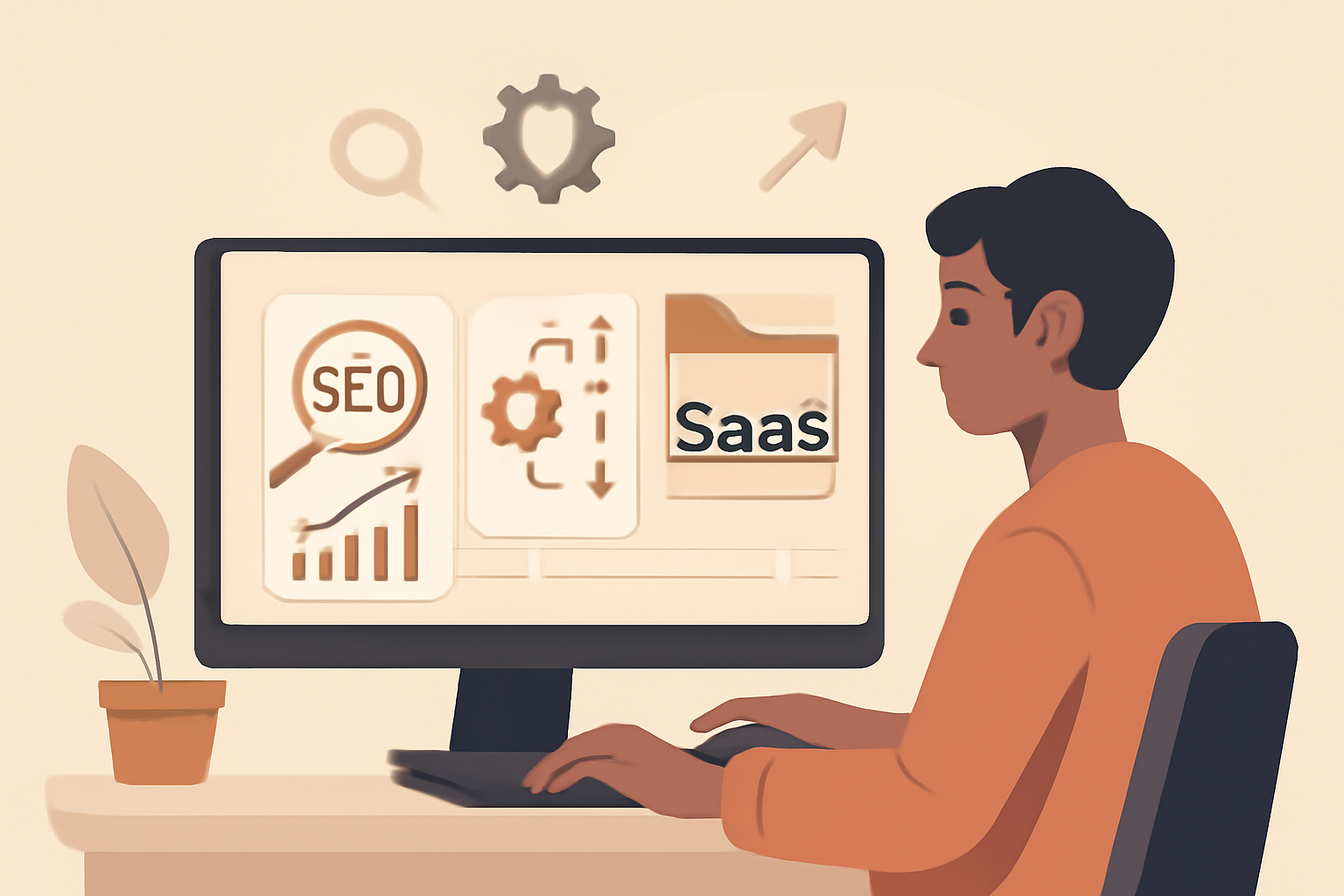
In the fast-paced world of SaaS, optimizing your search engine presence can feel like an overwhelming task. Luckily, automating your SEO workflows can streamline this process, allowing you to focus on other vital areas of your business. This guide will walk you through how to effectively automate your SEO workflows, ensuring that your SaaS product gains the visibility it deserves.
Whether you're just starting out or looking to refine your existing processes, we'll cover everything you need to know. From choosing the right tools to implementing best practices, you'll be well on your way to maximizing your organic traffic with minimal effort.
Table of Contents

Step 1: Identify Your SEO Goals
Before diving into automation, it's essential to clarify what you want to achieve with your SEO efforts. Are you looking to increase website traffic, boost conversion rates, or enhance your brand visibility? Defining specific goals will guide your workflow automation process. Your Ultimate Guide to the Best SEO Tools for 2023.
Common Goals for SaaS SEO
- Increase organic website traffic by a specific percentage.
- Improve rankings for targeted keywords.
- Enhance conversion rates from organic search visitors.
Setting SMART Goals
To ensure your SEO goals are actionable, consider using the SMART criteria: Specific, Measurable, Achievable, Relevant, and Time-bound. This approach helps you create clear objectives that can be easily tracked and evaluated.
- Specific: Define exactly what you want to achieve. Instead of saying "increase traffic," specify "increase organic traffic by 30%."
- Measurable: Ensure that you can track your progress. Use tools like Google Analytics to measure traffic and conversion rates.
- Achievable: Set realistic goals based on your current performance and resources. For instance, if your traffic is currently growing at 10% per month, a target of 30% might be ambitious but attainable with the right strategies.
- Relevant: Align your goals with your overall business objectives. If your aim is to generate leads, focus on improving conversion rates rather than just traffic.
- Time-bound: Establish a timeline for achieving your goals. For example, aim to increase organic traffic by 30% within six months.
Examples of SEO Goals for SaaS Companies
Here are a few examples of well-defined SEO goals tailored for SaaS businesses:
- Increase organic traffic to the website from 1,000 to 1,300 visitors per month within the next quarter.
- Achieve a top 5 ranking for the keyword "best project management software" within the next six months.
- Boost the conversion rate of free trial sign-ups from organic search traffic from 5% to 8% over the next year.
Creating a Goal Tracking Checklist
Once you've set your SEO goals, it's crucial to monitor your progress regularly. Use the following checklist to track your goals effectively:
- Define your baseline metrics (current traffic, conversion rates, keyword rankings).
- Set up tracking in Google Analytics or your preferred analytics tool.
- Schedule regular reviews (monthly or quarterly) to assess progress.
- Adjust your strategies based on performance data-if you're not meeting your goals, analyze what's working and what isn't.
- Celebrate milestones-acknowledge when you hit a goal to keep your team motivated.
Avoiding Common Mistakes
Identifying your SEO goals is a critical first step, but there are common pitfalls to avoid:
- Vague Goals: Avoid setting goals that are too broad or unclear. For example, "get more traffic" is not specific enough.
- Ignoring Data: Base your goals on data and research rather than assumptions. Use keyword research tools and analytics to inform your targets.
- Setting Unrealistic Expectations: While it's great to aim high, setting unattainable goals can lead to frustration. Ensure your goals are challenging yet feasible.
- Neglecting Relevance: Ensure your goals align with your overall business strategy. Goals that don't connect to your broader objectives can lead to wasted resources.
By clearly identifying and defining your SEO goals, you set the foundation for a successful automated SEO workflow. This clarity will not only help you in the automation process but also ensure that your efforts are aligned with your business objectives, ultimately leading to better results.
Step 2: Choose the Right SEO Tools
A variety of search engine optimization tools are available to help you automate your workflows. Selecting the right ones is crucial to your success. Here are some categories of tools to consider:
Keyword Research Tools
Utilize tools like SEMrush or Ahrefs to identify high-potential keywords for your SaaS. These tools can automate tracking keyword performance, helping you adjust your strategy based on real-time data.
Content Optimization Tools
Tools like Clearscope or Surfer SEO can help optimize your content for search engines. They analyze top-performing content, giving you insights into the keywords and structure needed to compete.
Analytics and Reporting Tools
Google Analytics and Google Search Console are essential for monitoring your website's performance. Automate your reports to track progress towards your SEO goals effectively.
Step 3: Implement Automation Techniques
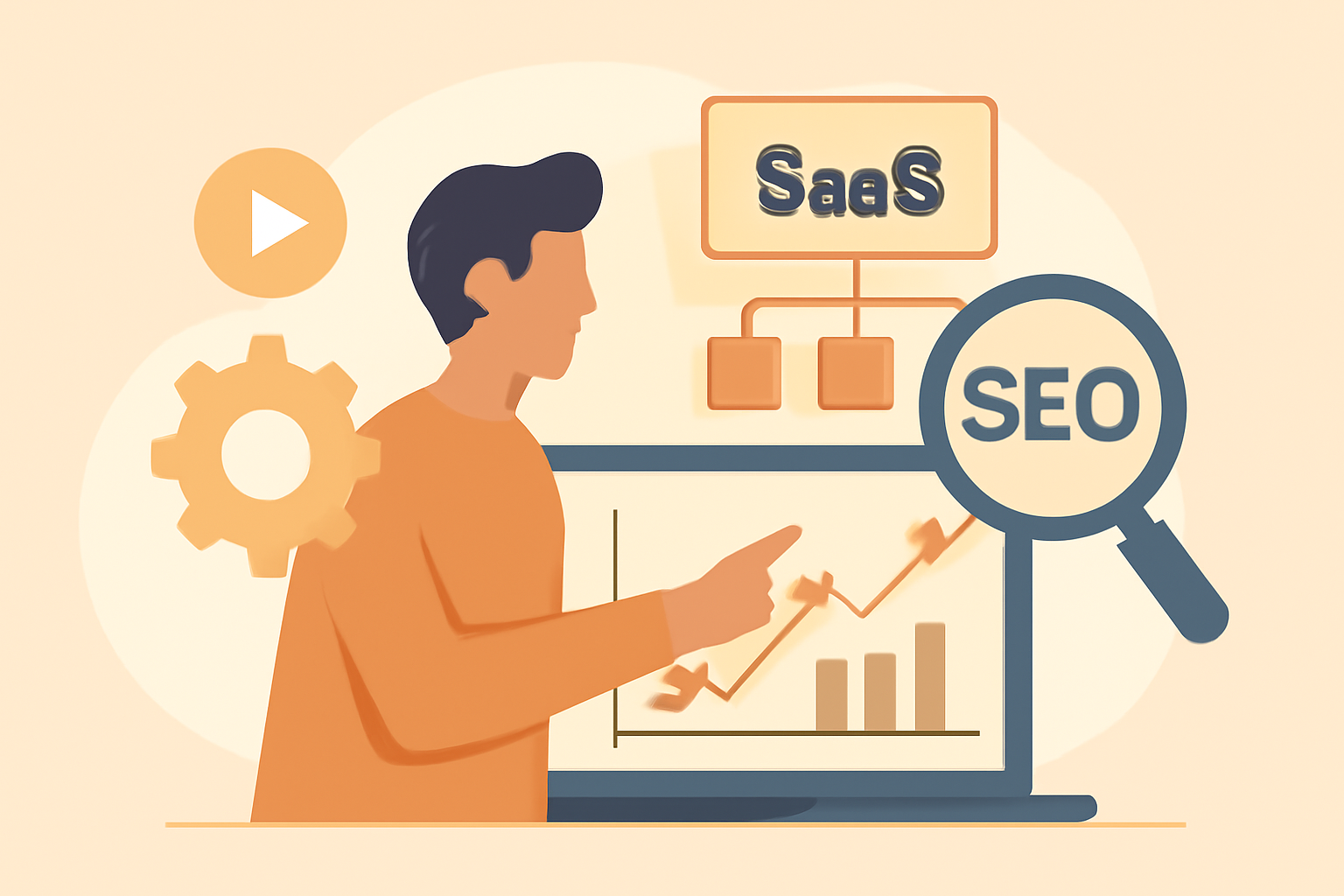
With your goals defined and tools selected, it's time to implement automation techniques that will save you time and enhance your SEO efforts.
Automated Keyword Tracking
Use tools like Rank Tracker to monitor your keyword rankings automatically. Set up alerts to be notified of significant changes, allowing you to react quickly.
Automated Content Updates
Implement a content management system (CMS) that allows for scheduled posts and easy updates. This way, you can keep your content fresh without constant manual effort.
Automated Reporting
Create automated reports that summarize your SEO performance. This will help you stay informed and make data-driven decisions without having to manually compile data.
Step 4: Optimize and Iterate
Automation doesn't mean you can set it and forget it. Regularly review your strategies and results to ensure your automation is effective. Make adjustments as needed based on performance data. Continuous optimization is key to maintaining and enhancing the effectiveness of your automated SEO workflows for SaaS. Here's how to ensure you're getting the most out of your efforts.
Review Key Metrics
- Organic traffic growth.
- Conversion rates from organic visitors.
- Keyword ranking changes.
To effectively monitor these metrics, establish a routine for reviewing your data. Consider doing this weekly or monthly. Use dashboards or reports that consolidate this information for easy access. Here are some specific actions to take:
- Set Benchmarks: Determine what constitutes success for your SaaS business. This could be a specific percentage increase in organic traffic or a target conversion rate.
- Use Visualization Tools: Leverage tools like Google Data Studio to create visual reports that make it easier to spot trends and anomalies in your data.
- Segment Your Traffic: Analyze traffic sources separately. Identify which channels are performing well and which ones need more attention.
Make Data-Driven Adjustments
Use insights from tools like Google Analytics to tweak your SEO strategies. If certain keywords are underperforming, consider researching new keywords to target. Here are some practical steps to implement data-driven adjustments:
- Conduct a Keyword Audit: Regularly revisit your keyword list. Identify keywords that are not driving traffic or conversions. Use tools like SEMrush or Ahrefs to find new opportunities based on current trends.
- Analyze User Behavior: Look at metrics such as bounce rate and time spent on page. If users are leaving quickly, it may indicate that your content isn't meeting their needs. Consider refreshing or expanding that content.
- Test Different Approaches: Implement A/B testing for titles, meta descriptions, and even content layouts. This will help you understand what resonates best with your audience.
Common Mistakes to Avoid
As you optimize and iterate, watch out for these common pitfalls that can derail your progress:
- Ignoring the Competition: Regularly check on your competitors. Tools like Moz can help you understand their keyword strategies and backlink profiles, allowing you to adjust your own efforts accordingly.
- Focusing Solely on Rankings: While keyword rankings are important, they don't tell the whole story. Pay attention to conversions and user engagement metrics to get a fuller picture of your SEO performance.
- Neglecting Mobile Optimization: Ensure that your site is optimized for mobile users. With an increasing number of searches happening on mobile devices, this is crucial for maintaining traffic and conversions.
Iterative Process
Remember that optimization is an ongoing process. Develop a checklist to guide your review sessions:
- Review organic traffic and conversion metrics.
- Identify underperforming keywords and explore new ones.
- Analyze user behavior to find content gaps.
- Conduct A/B tests on key elements.
- Adjust your strategy based on findings.
By following these steps and maintaining a proactive approach to optimization, you can ensure your automated SEO workflows for SaaS continue to drive organic traffic and revenue effectively. Keep iterating, and don't hesitate to experiment with new ideas based on your data insights.
Step 5: Avoid Common Mistakes
Even with automation, pitfalls can occur. Be aware of these common mistakes to ensure your SEO workflows run smoothly. Identifying these errors early can save you time, money, and effort in the long run. Below, we delve deeper into some frequent missteps and how to avoid them.
Neglecting Manual Checks
While automation is powerful, no tool is perfect. Regularly perform manual checks to catch any issues that automated processes might miss. Here are some practical steps to incorporate manual checks into your workflow:
- Schedule Regular Audits: Set a recurring calendar reminder to conduct manual audits at least once a month. This ensures you catch any discrepancies early.
- Review Key Metrics: Focus on critical metrics such as organic traffic, bounce rates, and conversion rates. If you notice any anomalies, investigate further.
- Test Automated Tasks: Periodically run tests on your automated tasks. For example, if you automate keyword tracking, manually check a sample of keywords to confirm accuracy.
- Utilize Feedback Loops: Encourage team members to report any inconsistencies they observe in the automated processes. Create a system for documenting these issues for future reference.
By integrating these practices, you can ensure that your automated SEO workflows remain effective and reliable.
Ignoring SEO Trends
The SEO landscape is constantly changing. Stay updated with the latest trends and algorithm updates to ensure your strategies remain effective. Here are some actionable steps to keep your SEO knowledge current:
- Follow Industry Leaders: Subscribe to blogs, podcasts, and newsletters from recognized SEO experts. This will help you stay informed about new strategies and best practices.
- Participate in Webinars and Conferences: Engage with the SEO community by attending webinars and conferences. These events often provide insights into upcoming trends and changes in search algorithms.
- Join Online Forums and Groups: Platforms like Reddit, LinkedIn, and specialized SEO forums are great places to discuss trends and share experiences with other professionals.
- Conduct Competitive Analysis: Regularly analyze your competitors' SEO strategies. Tools like SEMrush or Ahrefs can provide insights into what is working for them, allowing you to adapt your approach accordingly.
By actively monitoring SEO trends, you can ensure that your automated workflows are not only efficient but also aligned with the evolving landscape of search engine optimization.
Over-Reliance on Automation
While automation can streamline many tasks, relying solely on it can lead to missed opportunities. Here's how to find the right balance:
- Complement Automation with Creativity: Use automation for repetitive tasks but allow space for creative strategies that require human insight, such as content creation and audience engagement.
- Set Clear Goals: Define what you want to achieve with your SEO efforts. Automation should support these goals, not dictate them. Regularly reassess your objectives and adjust your automated processes accordingly.
- Encourage Team Collaboration: Foster a culture where team members can share insights and ideas. This can lead to innovative strategies that automation alone may not identify.
Striking a balance between automation and human input can enhance your SEO effectiveness significantly.
Failing to Adapt to Changes
Lastly, one of the biggest mistakes is failing to adapt your strategies based on performance data and changing market conditions. Here's how to stay agile:
- Monitor Performance Regularly: Use analytics tools to track the performance of your SEO campaigns. Look for patterns and be ready to pivot your strategy if certain tactics are underperforming.
- Implement A/B Testing: Regularly test different approaches, whether it's content format, keywords, or meta descriptions. A/B testing can reveal what resonates best with your audience.
- Solicit Customer Feedback: Engage with your audience to understand their needs and preferences better. Use surveys or feedback forms to gather insights that can inform your SEO strategy.
By being adaptable and responsive to changes, you can ensure your automated SEO workflows are always aligned with your business goals and market demands.
Step 6: Simple Checklist for Effective Automation
To wrap it up, here's a quick checklist to ensure you are on track with your SEO automation:
- Define your SEO goals clearly.
- Select the right search engine optimization tools.
- Implement automated keyword tracking, content updates, and reporting.
- Regularly review and adjust based on key performance metrics.
- Avoid common pitfalls by performing manual checks and staying updated.
1. Define Your SEO Goals Clearly
Before diving into automation, it's crucial to set clear, measurable SEO goals. This could include:
- Increasing organic traffic by a specific percentage over a set timeframe.
- Improving keyword rankings for target phrases.
- Boosting the number of backlinks or domain authority.
Consider using the SMART criteria (Specific, Measurable, Achievable, Relevant, Time-bound) to frame your goals effectively. For example, instead of saying "I want more traffic," specify "I want to increase organic traffic by 20% in the next three months."
2. Select the Right Search Engine Optimization Tools
Choosing the right tools is essential for successful automation. Here are some categories of tools to consider:
- Keyword Research Tools: Tools like SEMrush, Ahrefs, or Google Keyword Planner help identify valuable keywords.
- Analytics Platforms: Google Analytics and Google Search Console provide insights into traffic sources and user behavior.
- Content Optimization Tools: Tools like Yoast SEO or Surfer SEO can help optimize your content for better rankings.
When selecting tools, evaluate their features, ease of use, and integration capabilities with other software you use. It's also beneficial to take advantage of free trials to find a tool that fits your workflow.
3. Implement Automated Keyword Tracking, Content Updates, and Reporting
Automation should streamline your processes. Here's how to implement it effectively:
- Keyword Tracking: Use tools that automatically monitor your keyword rankings and send you regular updates. Set alerts for significant changes in rankings.
- Content Updates: Schedule content audits using automation tools to identify outdated content. Tools like Screaming Frog can help you find pages that need refreshing.
- Reporting: Automate your reporting by setting up dashboards in Google Data Studio or using tools like Tableau to visualize your SEO performance metrics.
Make sure to customize the frequency of updates and reports based on your needs-weekly or monthly, depending on your strategy.
4. Regularly Review and Adjust Based on Key Performance Metrics
Automation is not a set-it-and-forget-it strategy. Regular reviews are critical. Focus on these key performance metrics:
- Organic Traffic: Monitor changes in traffic and identify which pages are performing well or need improvement.
- Conversion Rates: Analyze how well your organic traffic converts into leads or sales.
- Bounce Rate: A high bounce rate may indicate that your content isn't meeting user expectations.
Set a schedule for these reviews-monthly or quarterly-and use the insights gained to adjust your SEO strategies accordingly.
5. Avoid Common Pitfalls by Performing Manual Checks and Staying Updated
While automation can save time, it can also lead to oversights. Here are some common pitfalls to be aware of:
- Neglecting Manual Audits: Regularly perform manual audits of your site to catch issues that automated tools might miss.
- Ignoring Algorithm Updates: Stay informed about search engine algorithm changes to adjust your strategies promptly. Follow SEO news outlets and forums.
- Over-reliance on Automation: Remember that human oversight is essential. Automate repetitive tasks, but keep a close eye on overall strategy and creative content.
By maintaining a balance between automation and manual checks, you can ensure that your SEO efforts remain effective and adaptive to changes in the digital landscape.
Conclusion: Take the Next Step to Automate Your SEO Workflows
Automating your SEO workflows is not just about saving time; it's about enhancing your overall strategy to drive organic traffic effectively. Now that you have a roadmap, it's time to put these steps into action. Start by selecting your preferred SEO tools and defining your goals today. With consistent effort, you'll see your SaaS business thrive in the competitive online landscape.
To help you get started, here's a practical checklist to guide you through the process of automating your SEO workflows:
Actionable Checklist for SEO Automation
- Identify Your SEO Goals: Are you aiming for higher rankings, increased traffic, or better conversions? Define specific, measurable goals to track your progress.
- Select the Right Tools: Research and choose SEO tools that fit your needs. Popular options include SEMrush, Ahrefs, Moz, and Google Search Console.
- Set Up Automated Reports: Use your chosen tools to set up automatic reporting on key metrics like traffic, rankings, and backlinks.
- Implement Keyword Tracking: Automate the monitoring of your target keywords to understand their performance over time.
- Schedule Content Updates: Use automation to remind you to update old content regularly, ensuring it stays relevant and optimized.
- Utilize AI for Content Generation: Explore AI tools that can assist in generating content ideas, outlines, or even full articles based on trending topics.
- Monitor Competitors: Set up alerts for competitor activities and changes in their SEO strategies to stay ahead in your niche.
- Regularly Review and Adjust: Automate your review processes to evaluate the effectiveness of your strategies and make necessary adjustments.
Common Mistakes to Avoid
As you embark on this automation journey, be mindful of these common pitfalls:
- Over-Reliance on Automation: While automation is powerful, don't neglect the human touch. Regularly review your strategies and engage with your audience to maintain authenticity.
- Ignoring Data Analysis: Simply collecting data without analyzing it can lead to missed opportunities. Make sure to interpret your reports and adjust your strategies accordingly.
- Neglecting SEO Fundamentals: Automation should enhance your SEO efforts, not replace foundational practices. Ensure that your on-page optimization, link-building, and content quality remain a priority.
- Failing to Stay Updated: SEO is constantly evolving. Stay informed about algorithm changes and industry trends to adapt your automated workflows accordingly.
Next Steps for Your SEO Automation Journey
Once you've set up your automated workflows, consider these next steps to maximize your results:
- Engage in Continuous Learning: Invest time in learning about new SEO techniques and tools. Online courses, webinars, and SEO blogs can provide valuable insights.
- Network with Other SaaS Businesses: Join forums or groups where you can share experiences and learn from others who are also automating their SEO processes.
- Test and Experiment: Don't be afraid to try new strategies or tools. What works for one business may not work for another, so be open to experimentation.
- Celebrate Your Wins: Recognize and celebrate the milestones you achieve through automation. This will keep you motivated and focused on your long-term goals.
With this comprehensive approach, you're well on your way to successfully automating your SEO workflows. Remember, it's a journey that requires patience and persistence, but the rewards of increased organic traffic and business growth are well worth the effort. Take that first step today, and watch your SaaS business flourish!
Want to get free traffic from Google & ChatGPT? Click the button to learn more about how we can do that for you on autopilot!
Learn More