
How to Automate Workflows Using Neil Patel Methods

Are you looking to streamline your business processes and boost productivity? Automating workflows can be a game-changer, especially when you leverage proven strategies. Neil Patel, a renowned figure in digital marketing, offers effective marketing methods that can elevate your automation game.
This guide will take you through step-by-step processes to automate your workflows using Neil Patel's methods. Whether you're a beginner or have some experience, you'll find actionable insights to implement right away.
Table of Contents
- Step 1: Identify Key Workflows for Automation
- Step 2: Choose the Right Tools
- Step 3: Map Out Your Automation Strategy
- Step 4: Implement the Automation
- Step 5: Monitor and Optimize
- Step 6: Scale Your Automation Efforts
- Common Mistakes to Avoid
- Checklist for Successful Workflow Automation
- Conclusion: Take Action Today

Step 1: Identify Key Workflows for Automation
The first step in automating your workflows is to identify which processes are ripe for automation. Look for repetitive tasks that consume a lot of time and resources. Unlocking the Power of Neil Patel: A Comprehensive Guide to SEO Success.
Common Areas for Automation
- Data entry and management
- Email marketing campaigns
- Social media posting
- Lead generation and follow-up
By focusing on these areas, you can significantly reduce manual efforts and free up time for more strategic tasks. business growth tactics.
Step 2: Choose the Right Tools
Once you've identified the workflows to automate, the next step is to select tools that align with Neil Patel's recommended practices. Look for user-friendly tools that integrate well with your existing systems.
Recommended Tools
- Zapier: For connecting different apps and automating tasks.
- HubSpot: For managing customer relationships and automating marketing efforts.
- Mailchimp: For automating email marketing campaigns.
These tools can help you implement Neil Patel's content marketing approaches effectively.
Step 3: Map Out Your Automation Strategy
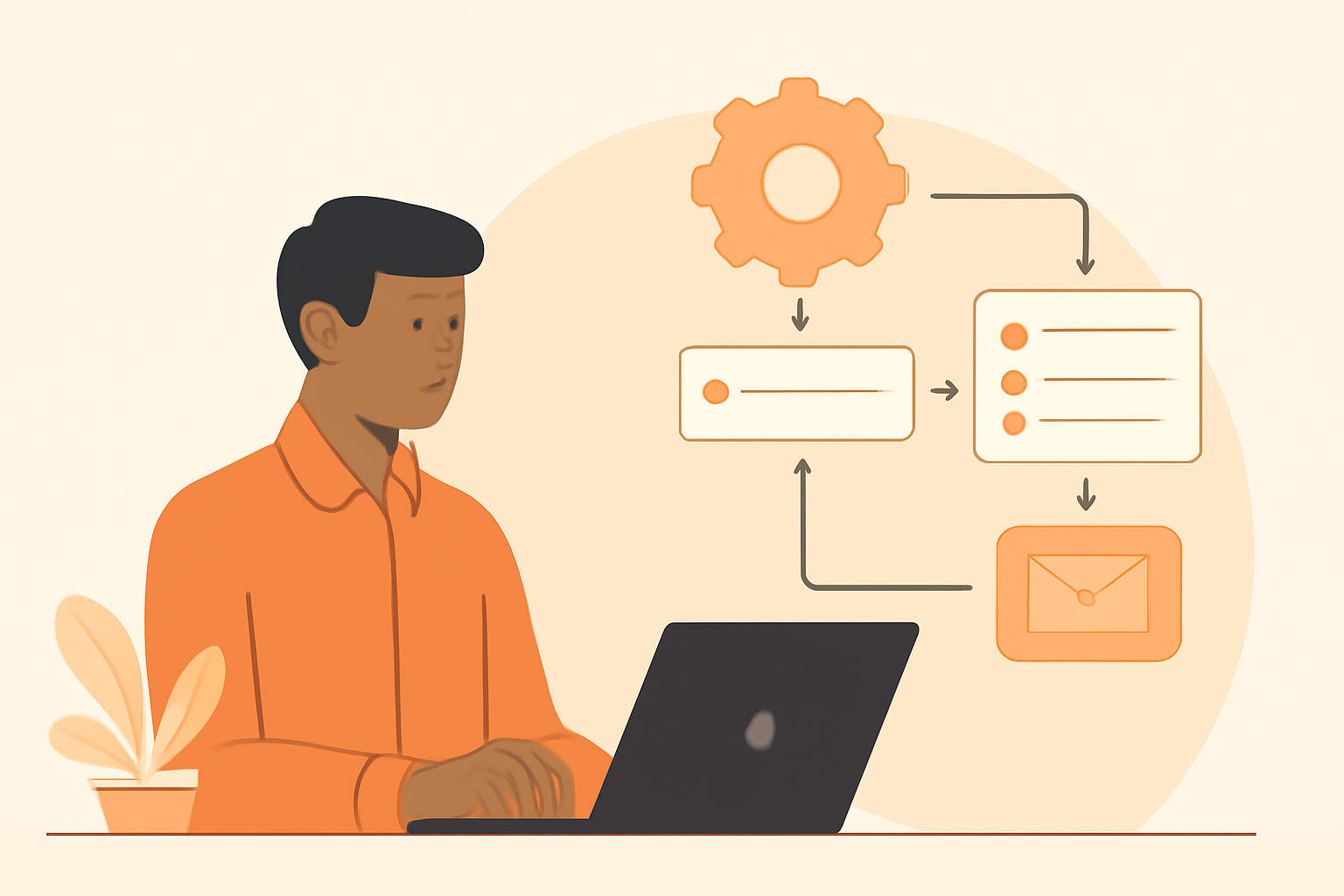
Creating a clear plan is crucial for successful automation. Map out each step of the workflow you intend to automate.
Creating a Workflow Diagram
Utilize flowchart tools to visualize your automation process. This can help you identify bottlenecks and streamline the workflow further. Ensure your diagram includes:
- Input: What triggers the workflow?
- Process: What steps will take place?
- Output: What is the desired outcome?
Step 4: Implement the Automation
With your strategy in place, it's time to put it into action. Use the chosen tools to set up your automated workflows according to your mapped diagram. This involves configuring your software, defining triggers, and establishing actions that will occur automatically. The more precise you are in this setup, the smoother your automation will run.
Testing Your Automation
Before fully launching your automated processes, conduct thorough testing to ensure everything works as intended. This step will help you troubleshoot any issues before they affect your operations. Here's how to effectively test your automation:
Steps for Testing Your Automation
- Run a Dry Test: Execute your automation in a controlled environment. For instance, if you're automating email responses, send test emails to see if the automation triggers correctly without reaching your actual customers.
- Check Each Trigger: Ensure that every trigger you've set up activates as expected. For example, if you've configured a trigger for new leads, create a test lead to confirm the workflow initiates correctly.
- Verify Actions: Confirm that the actions tied to each trigger are functioning properly. If your automation is meant to send a follow-up email, check that the correct email template is being sent and that it reaches the intended recipient.
- Monitor Timing: Assess the timing of your automations. Make sure that delays are appropriate and that actions occur in the correct sequence. For example, if an email should be sent 24 hours after a lead is captured, verify that this timing is accurate.
- Gather Feedback: If possible, involve a small group of trusted colleagues or friends to test the automation. Their feedback can help identify any user experience issues that you might have overlooked.
Common Mistakes to Avoid
- Skipping Testing: One of the biggest mistakes is to skip this critical testing phase. Always ensure your automation is functioning correctly before full deployment.
- Overcomplicating Processes: While it may be tempting to create highly complex workflows, simplicity often leads to better results. Aim for straightforward processes that are easy to troubleshoot.
- Neglecting Updates: Remember to revisit and update your workflows regularly. As your business evolves, so should your automation strategies.
- Ignoring Analytics: After launching, keep an eye on your analytics. If something isn't performing as expected, be ready to make adjustments.
Finalizing Your Automation
Once testing is complete and you're confident in the functionality of your automated workflows, it's time to finalize your setup. Document your processes clearly, so anyone involved in managing the automation understands how it works. Provide training if necessary, ensuring that your team knows how to handle any issues that may arise.
After implementation, monitor the performance of your automation closely during the initial weeks. This will allow you to catch any unforeseen issues early and make necessary adjustments. Remember, the goal is to streamline your operations and improve efficiency, so continuous monitoring and refining are key to long-term success.
Step 5: Monitor and Optimize
After implementing your workflows, continuous monitoring is essential. Use analytics tools to track performance and identify areas for improvement. This proactive approach allows you to refine your processes, ensuring they remain effective and aligned with your business goals.
Key Metrics to Monitor
- Time saved on tasks
- Conversion rates from automated marketing
- Customer engagement levels
- Return on Investment (ROI) for automated campaigns
- Lead generation metrics
Regularly optimizing your workflows ensures that you are getting the most out of your automated processes. Here are some detailed steps and tips to effectively monitor and optimize your workflows:
1. Set Up Analytics Tools
Begin by integrating analytics tools that are compatible with your automated systems. Popular options include Google Analytics, HubSpot, and SEMrush. These tools can provide valuable insights into user behavior and workflow efficiency.
- Google Analytics: Set up goals to track specific actions, such as form submissions or purchases.
- HubSpot: Utilize its reporting features to analyze lead conversion rates and customer engagement.
- SEMrush: Monitor keyword performance and organic traffic changes related to your automated content.
2. Analyze Performance Data
Once your analytics tools are in place, regularly review the data. Look for trends over time to understand how your workflows are performing. Consider the following:
- Identify Bottlenecks: If certain tasks take longer than expected, investigate why and adjust your workflow accordingly.
- Conversion Rate Analysis: Compare conversion rates before and after automation to measure effectiveness.
- Engagement Trends: Track customer interactions to see if engagement levels are improving or declining.
3. Make Data-Driven Adjustments
Based on your analysis, make informed adjustments to your workflows. Here are some common changes to consider:
- Refine Targeting: Adjust your audience targeting based on engagement metrics to improve conversion rates.
- Test Different Approaches: Implement A/B testing for email campaigns or landing pages to determine which versions yield better results.
- Update Content Regularly: Ensure your automated content remains relevant and valuable to your audience.
4. Establish a Regular Review Schedule
Set a timeline for regular reviews of your workflows. This could be monthly, quarterly, or bi-annually, depending on your business needs. During these reviews, assess:
- Overall Workflow Efficiency: Evaluate if the workflows are meeting your initial goals and expectations.
- New Opportunities: Look for new tools or methods that could enhance your automation efforts.
- Feedback from Team Members: Gather insights from your team about what's working and what isn't.
5. Common Mistakes to Avoid
As you monitor and optimize your workflows, be aware of common pitfalls:
- Neglecting Data: Avoid ignoring the data collected; it's your best tool for improvement.
- Over-Automation: Don't automate every process-some tasks benefit from a personal touch.
- Failure to Adapt: Be flexible and ready to pivot your strategies based on performance data.
By diligently monitoring and optimizing your workflows, you can ensure that your automated processes not only save time but also enhance your overall business performance. Remember, the goal is to create a system that evolves with your needs and continues to drive growth and engagement.
Step 6: Scale Your Automation Efforts
Once you're comfortable with your initial automation, consider scaling up. Look for additional workflows that can benefit from automation, expanding your efficiency across the organization. This step is crucial for maximizing the return on your investment in automation tools and ensuring that your processes are as efficient as possible.
Scaling your automation efforts involves not only identifying new areas for automation but also refining existing workflows to enhance their effectiveness. Here's how to approach this scaling process systematically.
Identifying Additional Workflows
Start by conducting a thorough audit of your current processes. List out all the tasks that are repetitive, time-consuming, or prone to human error. Here's a checklist to help you identify potential workflows for automation:
- Are there any tasks that require significant manual data entry?
- Do you have processes that involve multiple approvals or handoffs?
- Are there customer interactions that could be automated, such as follow-up emails or chat responses?
- Can any reporting or analytics tasks be automated to save time?
Once you have identified these workflows, prioritize them based on their impact on your business operations and the time savings they could yield. This will help you focus on the most beneficial automation opportunities first.
Integrating New Tools
As you scale, you might find it beneficial to integrate new tools that can further streamline operations. Here are some practical steps to ensure a smooth integration process:
- Research and Select Tools: Look for automation tools that complement your existing software. For instance, if you're using a CRM, consider tools that can integrate seamlessly with it to automate lead nurturing.
- Test Before Full Implementation: Before rolling out a new tool organization-wide, conduct a pilot test with a small team to identify any issues and gather feedback.
- Train Your Team: Provide adequate training for your team on the new tools. This can include workshops, tutorials, or access to online resources to help them get up to speed.
- Monitor Performance: After integration, keep track of the tool's performance. Use metrics such as time saved, error reduction, and overall efficiency improvements to assess its impact.
Always keep an eye on the latest trends in online marketing approaches to stay ahead. This includes subscribing to industry newsletters, attending webinars, and participating in online forums where automation technologies are discussed. By staying informed, you can continuously refine your automation strategies and tools.
Common Mistakes to Avoid
As you scale your automation efforts, be mindful of these common pitfalls:
- Over-Automation: While automation is beneficial, overdoing it can lead to a lack of personal touch in customer interactions. Balance is key.
- Neglecting Maintenance: Automation tools require regular updates and maintenance. Failing to do so can lead to inefficiencies and errors.
- Ignoring Team Feedback: Your team is your best resource for identifying areas of improvement. Regularly solicit their feedback on automated processes to ensure they are working effectively.
By being aware of these common mistakes, you can better navigate the scaling process and ensure that your automation efforts yield the maximum benefit for your organization.
Common Mistakes to Avoid
As you embark on automating workflows, be aware of common pitfalls that can hinder your success. Recognizing these mistakes can save you time, resources, and frustration, allowing you to streamline your processes effectively.
- Overcomplicating workflows: Keep it simple and focused. Start with basic automation and gradually add complexity as you become more comfortable with the tools. For example, if you're automating email marketing, begin by automating welcome emails before moving on to more complex drip campaigns.
- Neglecting to train your team: Ensure everyone understands how to use new tools. Provide comprehensive training sessions and create easy-to-follow documentation. Consider implementing a mentorship system where more experienced team members can assist those who are less familiar with the new processes. This will foster a supportive environment and enhance overall productivity.
- Ignoring feedback: Regularly solicit input from your team to improve processes. Establish a feedback loop where team members can share their experiences with the automated workflows. Schedule regular check-ins to discuss what's working and what's not, and be open to making adjustments based on their insights.
Additional Common Mistakes
- Failing to set clear goals: Before automating, define what you want to achieve. Are you looking to save time, reduce errors, or improve customer satisfaction? Setting specific, measurable goals will help you evaluate the effectiveness of your automation efforts.
- Not testing thoroughly: Always test your automation workflows before full implementation. Run pilot programs to identify potential issues and rectify them before they affect a larger audience. This could involve creating a sandbox environment where you can simulate the workflow without impacting actual operations.
- Disregarding data privacy: When automating workflows, ensure compliance with data protection regulations. Familiarize yourself with laws such as GDPR or CCPA and implement necessary measures to protect sensitive information. This includes using secure tools and ensuring that your team understands the importance of data security.
- Overlooking integration capabilities: Ensure that your automation tools can integrate seamlessly with existing systems. Research and choose platforms that offer robust integration options to avoid data silos and ensure a smooth flow of information across your organization.
- Becoming too reliant on automation: While automation can significantly enhance efficiency, it's essential to maintain a human touch in areas that require personal interaction. Balance automation with human oversight, especially in customer service and relationship management, to ensure that your clients feel valued and understood.
Checklist for Successful Workflow Automation
To avoid these common mistakes, consider the following checklist:
- Define clear objectives for automation.
- Choose the right tools that suit your business needs.
- Conduct thorough training for your team.
- Test workflows extensively before full deployment.
- Regularly gather and act on team feedback.
- Ensure compliance with data privacy regulations.
- Maintain a balance between automation and personal interaction.
By being mindful of these mistakes and following the checklist, you can set your workflow automation efforts up for success and ultimately drive better results for your business.
Checklist for Successful Workflow Automation
Before you dive into automation, use this checklist to ensure you're on the right path:
- Identify key workflows to automate.
- Choose appropriate tools for your needs.
- Map out your automation strategy clearly.
- Implement and test your workflows thoroughly.
- Monitor performance and optimize regularly.
- Be prepared to scale your efforts.
1. Identify Key Workflows to Automate
Start by analyzing your current processes. Ask yourself:
- Which tasks are repetitive and time-consuming?
- Are there any processes that frequently lead to errors?
- What tasks consume the most resources?
Consider using a flowchart to visualize these workflows. For example, if you run an online store, you might identify order processing, inventory management, and customer follow-ups as key areas for automation.
2. Choose Appropriate Tools for Your Needs
Selecting the right tools is crucial for successful automation. Research tools that align with your identified workflows. Consider the following:
- Integration capabilities with your existing software.
- User-friendliness and support resources.
- Cost and scalability as your business grows.
For instance, if you're automating social media posts, tools like Buffer or Hootsuite might be ideal. Compare features and read user reviews to make an informed decision.
3. Map Out Your Automation Strategy Clearly
Creating a detailed plan will guide your automation efforts. Your strategy should include:
- Goals: What do you want to achieve with automation?
- Step-by-step processes: Outline each step of the workflow.
- Roles: Assign responsibilities for monitoring and managing the automation.
For example, if you're automating email marketing, specify the sequence of emails, triggers for sending, and who will analyze the results.
4. Implement and Test Your Workflows Thoroughly
Once your strategy is in place, it's time to implement your workflows. Follow these steps:
- Set up the automation tool according to your mapped strategy.
- Run a pilot test with a small segment of your audience or a limited number of tasks.
- Gather feedback and make adjustments as necessary.
Testing is crucial; for example, if you automate customer service responses, ensure the responses are accurate and helpful before a full rollout.
5. Monitor Performance and Optimize Regularly
After implementation, continuous monitoring is essential. Keep track of key performance indicators (KPIs) such as:
- Time saved in completing tasks.
- Reduction in errors or issues.
- Customer satisfaction scores.
Use analytics tools to gather data and assess the effectiveness of your automation. For instance, if your automated emails have a low open rate, consider tweaking the subject lines or timing of the sends.
6. Be Prepared to Scale Your Efforts
As your business grows, your automation efforts should scale accordingly. Consider the following:
- Identify new workflows that can be automated.
- Invest in more advanced tools if necessary.
- Train your team on new processes and technologies.
For example, if you start receiving more customer inquiries, you might need to automate additional customer service functions or expand your email marketing efforts.
Conclusion: Take Action Today
Now that you have a clear roadmap to automate workflows using Neil Patel's methods, it's time to take action. Start by identifying one key workflow to automate this week. Remember, even small changes can lead to significant improvements over time. Your journey to efficiency begins now!
Step-by-Step Action Plan
To ensure you make the most of these methods, follow this step-by-step action plan:
- Identify a Workflow: Choose a workflow that takes up a lot of your time but doesn't require your unique skills. For example, if you spend hours on social media posting, that's a prime candidate.
- Document the Process: Write down every step involved in this workflow. Include details like tools used, frequency of tasks, and any specific guidelines you follow. This documentation will serve as a reference when setting up automation.
- Research Automation Tools: Look for tools that can help you automate the identified workflow. For social media, consider tools like Buffer or Hootsuite. For email marketing, explore platforms like Mailchimp or ConvertKit.
- Set Up Automation: Follow the instructions provided by your chosen tool to set up the automation. Ensure you test it thoroughly to avoid any hiccups.
- Monitor and Adjust: After implementing the automation, keep an eye on its performance. Are there any issues? Is it saving you time? Make adjustments as necessary to optimize the process.
Checklist for Successful Automation
Use this checklist to ensure your automation process is smooth:
- Have you clearly defined the workflow you want to automate?
- Did you document all steps involved in the workflow?
- Have you selected the right tools for automation?
- Is your automation set up correctly and tested?
- Are you monitoring the results and making adjustments as needed?
Common Mistakes to Avoid
As you embark on automating your workflows, be mindful of these common pitfalls:
- Skipping Documentation: Failing to document your workflow can lead to confusion during the automation setup.
- Overcomplicating Processes: Keep it simple. Automate tasks that are repetitive and straightforward rather than trying to automate complex workflows all at once.
- Ignoring Results: Automation is not a set-it-and-forget-it solution. Regularly check the performance and be ready to tweak your automation as needed.
Final Encouragement
Remember, the goal of automating workflows is to free up your time to focus on what truly matters in your business. By taking these steps and avoiding common mistakes, you can streamline your processes and enhance productivity. So, take that first step today-your future self will thank you!
Want to get free traffic from Google & ChatGPT? Click the button to learn more about how we can do that for you on autopilot!
Learn More