
How to Implement SEO Automation in Your Business
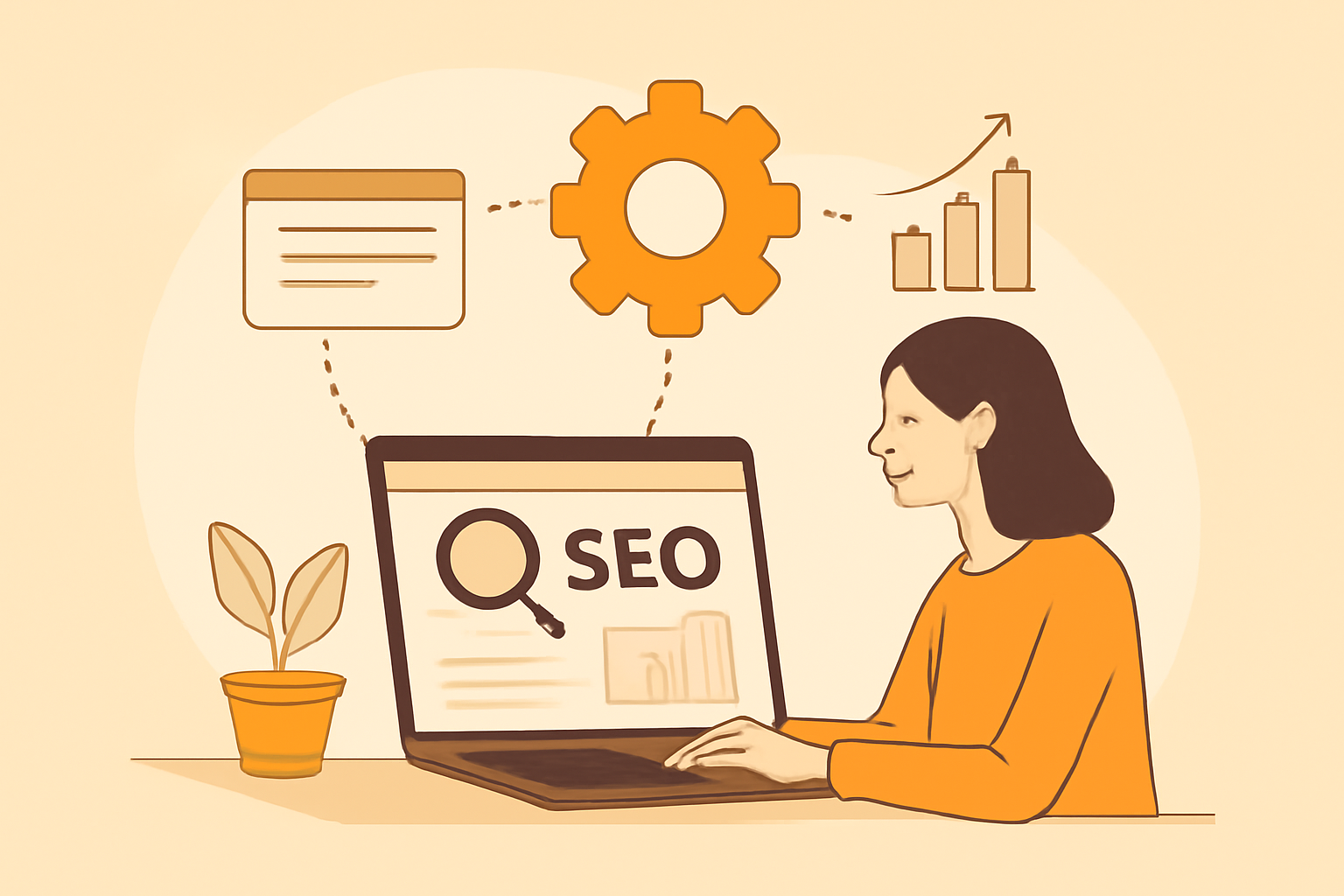
In today's fast-paced digital landscape, SEO automation is a game changer for businesses looking to enhance their online presence and drive organic traffic. By automating repetitive SEO tasks, you can save time, reduce errors, and focus on what truly matters-growing your business.
This guide will walk you through the essential steps to implement SEO automation effectively. Whether you're a seasoned marketer or a newcomer, these strategies will empower you to leverage automation tools and improve your SEO efforts effortlessly.
Table of Contents
- Step 1: Understand Your SEO Goals
- Step 2: Choose the Right Automation Tools
- Step 3: Automate Keyword Research
- Step 4: Implement On-Page SEO Automation
- Step 5: Streamline Content Creation
- Step 6: Monitor Your SEO Performance
- Common Mistakes to Avoid
- Simple Checklist for Implementing SEO Automation
- Conclusion

Step 1: Understand Your SEO Goals
Before diving into automation, it's crucial to define your SEO objectives. Clear goals will guide your automation strategy and help you measure success. Your Comprehensive Guide to SEO Automation.
Identify Key Performance Indicators (KPIs)
Determine what metrics matter most to your business, such as organic traffic growth, keyword rankings, or conversion rates. These KPIs will serve as benchmarks for your automated efforts.
Step 2: Choose the Right Automation Tools
The right tools can make all the difference in your SEO automation journey. Look for platforms that offer comprehensive features tailored to your needs.
Recommended Tools
- Content optimization platform: Helps analyze and improve your content for better search visibility.
- AI SEO content generator: Automates content creation while ensuring it aligns with SEO best practices.
- SEO analytics tools: These track and report on your SEO performance, allowing you to make data-driven decisions.

Step 3: Automate Keyword Research
Keyword research is the backbone of effective SEO. Automating this process can save you time and uncover valuable insights. By leveraging automation tools, you can streamline your keyword research, allowing you to focus on content creation and strategy rather than spending hours sifting through data.
Utilize Keyword Research Tools
Invest in tools that automate keyword discovery and analysis. They can provide data on search volume, competition, and relevant keywords, making your research process more efficient. Here's a step-by-step guide to help you get started with automating your keyword research:
- Choose the Right Tools: Look for keyword research tools that offer automation features. Some popular options include SEMrush, Ahrefs, Moz, and Ubersuggest. Compare their features, pricing, and user reviews to select the best fit for your needs.
- Set Up Your Projects: Once you've chosen a tool, set up projects for your website or specific content topics. This allows the tool to track your keywords and generate reports tailored to your goals.
- Input Seed Keywords: Start with a list of seed keywords relevant to your niche. These can be broad terms that describe your business or specific topics you want to rank for.
- Analyze Keyword Suggestions: Use the tool's keyword suggestion feature to generate a list of related keywords. Pay attention to metrics such as search volume, keyword difficulty, and trends over time.
- Filter and Sort Keywords: To find the best keywords, filter the results based on criteria that matter to you. For instance, you might prioritize low-competition keywords with high search volume or focus on long-tail keywords that are more specific.
- Export Data: Most tools allow you to export keyword data into spreadsheets. Use this feature to create a comprehensive keyword database that you can reference when planning content.
- Monitor Performance: Set up alerts or regular reports within your tool to monitor the performance of your chosen keywords. This will help you identify which keywords are driving traffic and which may need further optimization.
Common Mistakes to Avoid
Even with automation, it's easy to make mistakes in keyword research. Here are some common pitfalls to watch out for:
- Ignoring Search Intent: Always consider the intent behind the keywords. A keyword may have high search volume, but if it doesn't match what users are looking for, it won't convert.
- Overlooking Long-Tail Keywords: While broad keywords can drive traffic, long-tail keywords often have less competition and higher conversion rates. Don't neglect these valuable opportunities.
- Failing to Update Your Keywords: Keyword trends can change over time. Regularly revisit your keyword list to ensure you're targeting the most relevant and effective keywords.
- Not Analyzing Competitors: Use your tools to analyze competitors' keywords. Understanding what works for them can provide insights into your own strategy and help you identify gaps in your content.
Examples of Effective Keyword Research Automation
To illustrate the power of automated keyword research, consider these examples:
- Blogging Niche: A food blogger uses SEMrush to automate keyword discovery related to healthy recipes. By inputting a few seed keywords, they quickly generate a list of long-tail keywords that attract targeted traffic, such as "easy healthy dinner recipes" and "quick vegan meal prep."
- E-commerce Store: An online clothing retailer utilizes Ahrefs to find keywords related to seasonal fashion trends. The tool helps them identify trending keywords that they can incorporate into their product descriptions and blog posts, boosting organic visibility during peak shopping seasons.
- Local Business: A local coffee shop employs Ubersuggest to discover keywords that potential customers might use, such as "best coffee near me" or "local coffee shop with wifi." This data helps them optimize their Google My Business listing and website content to attract more foot traffic.
By automating your keyword research, you can save valuable time and ensure that your SEO strategy is data-driven and effective. Remember to continually refine your approach based on performance metrics and changing trends to stay ahead of the competition.
Step 4: Implement On-Page SEO Automation
On-page SEO is critical for optimizing your content and improving search engine rankings. Automate on-page elements to streamline your optimization process.
Key On-Page Elements to Automate
- Meta tags: Automate the generation of title tags and meta descriptions based on your keyword strategy.
- Header tags: Use tools that help structure your content with appropriate header tags for better readability.
- Image optimization: Automate alt text and file compression to enhance page load speeds and accessibility.
Step 5: Streamline Content Creation
Content is king in the world of SEO. Automate your content creation process to ensure consistency and quality. By streamlining your content creation, you not only save time but also enhance your ability to produce engaging and optimized content that resonates with your audience and ranks well in search engines.
Leverage AI for Content Generation
Using an AI SEO content generator can help you create high-quality blog posts, articles, and product descriptions. These tools can analyze existing content and suggest improvements based on SEO best practices. Here's how to effectively implement AI in your content creation process:
- Choose the Right AI Tool: Research and select an AI content generation tool that aligns with your needs. Popular options include Jasper, Copy.ai, and Writesonic. Look for features such as keyword optimization, tone adjustment, and industry-specific templates.
- Define Your Content Goals: Clearly outline what you want to achieve with each piece of content. Are you aiming to drive traffic, educate your audience, or promote a product? Establishing clear goals will help the AI tool generate more focused content.
- Input Relevant Keywords: Provide the AI tool with primary and secondary keywords relevant to your topic. This ensures the generated content is optimized for search engines and aligns with user search intent.
- Utilize Content Outlines: Before generating full articles, create outlines with headings and subheadings. This structure will help the AI produce content that flows logically and covers all necessary points.
- Review and Edit: Always review the AI-generated content for accuracy, tone, and relevance. While AI can produce high-quality drafts, human oversight is crucial for ensuring the content meets your brand's voice and standards.
Establish a Content Calendar
A content calendar is vital for maintaining a consistent publishing schedule. Here's how to create and implement an effective content calendar:
- Identify Key Topics: Brainstorm a list of topics that align with your audience's interests and your business goals. Use keyword research tools to identify trending topics and search volume.
- Schedule Publishing Dates: Plan out your content for the next month or quarter. Assign specific publishing dates to each piece of content to ensure regular updates on your blog or website.
- Assign Responsibilities: If you have a team, designate who will be responsible for creating, editing, and publishing each piece. Clear responsibilities help streamline the process and ensure accountability.
- Incorporate Seasonal Trends: Be mindful of seasonal trends and holidays that might affect your content. Planning around these events can help you capitalize on increased search interest.
- Review and Adjust: Regularly review your content calendar to assess performance. Adjust your topics and schedules based on what's resonating with your audience and driving traffic.
Utilize Templates for Consistency
Creating templates for different types of content can enhance efficiency and ensure consistency across your posts. Here are some types of templates to consider:
- Blog Post Template: Create a standard structure for your blog posts that includes an introduction, body sections, and a conclusion. This helps maintain a uniform style and makes it easier for writers to produce content quickly.
- Product Description Template: For e-commerce sites, develop a template that includes key features, benefits, and customer reviews. This ensures all product descriptions are informative and engaging.
- Social Media Post Template: Design templates for social media sharing that include a hook, a call to action, and relevant hashtags. This can streamline your promotional efforts and maintain brand voice.
Common Mistakes to Avoid
When automating content creation, it's important to be aware of potential pitfalls. Here are some common mistakes to avoid:
- Neglecting SEO Optimization: Always ensure that your AI-generated content is optimized for SEO. Failing to do so can lead to lower search rankings.
- Over-Reliance on AI: While AI can assist in generating content, it should not replace human creativity and insight. Always add a personal touch to your content.
- Ignoring Audience Feedback: Pay attention to how your audience responds to your content. Use analytics to gauge engagement and adjust your strategy accordingly.
- Inconsistent Posting: Regularly update your content to keep your audience engaged and improve your SEO rankings. A stagnant blog can lead to decreased traffic.
By leveraging AI tools, establishing a content calendar, utilizing templates, and avoiding common mistakes, you can streamline your content creation process effectively. This not only saves time but also enhances the quality and consistency of your content, ultimately driving more organic traffic to your site.
Step 6: Monitor Your SEO Performance
Monitoring your SEO performance is essential to understand the effectiveness of your automation efforts. Set up automated reporting to keep track of your KPIs. Regularly assessing your performance allows you to adjust strategies based on real-time data, ensuring your SEO automation remains effective and aligned with your business goals.
Analytics Tools
Use analytics tools that offer automated reports and insights. These will help you identify what's working, what needs improvement, and how your traffic is evolving over time. Here are some popular tools and how to leverage them effectively:
- Google Analytics: This free tool is a must-have for tracking website traffic. Set up goals to measure conversions and create custom dashboards for a snapshot of your performance. Automate weekly or monthly reports to your email to keep tabs on key metrics.
- SEMrush: SEMrush provides detailed insights into your SEO performance, including keyword rankings, backlinks, and site audits. Use its automated reporting feature to get regular updates on your SEO health and competitor performance.
- Ahrefs: Ahrefs is excellent for backlink analysis and keyword tracking. Set up alerts for any significant changes in your rankings or backlinks, so you can react quickly to any drops.
Key Performance Indicators (KPIs)
Identifying the right KPIs is crucial for evaluating your SEO performance. Here's a checklist of important KPIs to monitor:
- Organic Traffic: Track the number of visitors coming from search engines. Look for trends over time and correlate changes with your automation efforts.
- Keyword Rankings: Monitor your rankings for targeted keywords. Use tools like Google Search Console to see how your keywords perform and identify opportunities for optimization.
- Conversion Rate: Measure how many visitors complete desired actions, such as signing up for a newsletter or making a purchase. This will help you understand the quality of your traffic.
- Bounce Rate: A high bounce rate may indicate that your content is not meeting visitor expectations. Analyze pages with high bounce rates to improve user experience.
- Backlinks: Keep track of your backlink profile. A growing number of quality backlinks can enhance your site's authority and search ranking.
Common Mistakes to Avoid
While monitoring your SEO performance, be mindful of these common mistakes:
- Ignoring Data Trends: Don't just look at individual data points. Analyze trends over time to understand the bigger picture.
- Overlooking Mobile Performance: With mobile traffic increasing, ensure your analytics reflect mobile user behavior separately.
- Neglecting User Behavior: Metrics like time on page and page views per session can provide insights into user engagement that are often overlooked.
- Failing to Adapt: SEO is a dynamic field. If your reports indicate poor performance, don't hesitate to adjust your strategies accordingly.
Automated Reporting Setup
Setting up automated reporting can save you time and ensure you're consistently informed. Here's a simple step-by-step guide:
- Choose Your Tools: Select the analytics tools that best fit your needs. Most tools offer reporting features.
- Define Your Metrics: Decide which KPIs you want to include in your reports. Focus on those that align with your business objectives.
- Schedule Reports: Set a frequency for your reports-weekly, bi-weekly, or monthly-depending on how quickly you need the data.
- Customize Your Reports: Tailor the reports to highlight the most relevant information for your team. Include visualizations for easier interpretation.
- Review and Adjust: Regularly review the automated reports and adjust your KPIs or reporting frequency as necessary based on your evolving SEO goals.
By effectively monitoring your SEO performance, you can ensure that your automation strategies are working as intended, leading to sustained organic traffic growth and revenue generation.
Common Mistakes to Avoid
As with any strategy, there are pitfalls to watch out for when implementing SEO automation.
- Neglecting manual oversight: While automation saves time, human oversight is still necessary to ensure quality and relevance.
- Over-automation: Automating too many processes can lead to a lack of personalization and engagement with your audience.
- Ignoring updated SEO practices: SEO is constantly evolving; make sure your automation tools are up-to-date with the latest trends and guidelines.
Simple Checklist for Implementing SEO Automation
- Define your SEO goals and KPIs.
- Identify specific objectives, such as increasing organic traffic by 30% in six months or improving keyword rankings for ten target keywords.
- Establish Key Performance Indicators (KPIs) like organic search traffic, bounce rate, conversion rate, and average session duration to measure success.
- Choose appropriate automation tools.
- Research various SEO automation tools, such as SEMrush, Ahrefs, Moz, or Screaming Frog, and compare their features.
- Consider tools that offer integrations with your existing platforms, such as WordPress or Google Analytics, to streamline processes.
- Trial different tools to find the best fit for your needs, focusing on ease of use and the specific features that align with your SEO goals.
- Automate keyword research and on-page SEO tasks.
- Utilize tools like Ubersuggest or Google's Keyword Planner to automatically generate keyword suggestions based on your niche.
- Set up on-page SEO audits using tools like Yoast SEO or Rank Math to automatically check your content for optimization opportunities.
- Implement structured data markup automatically using plugins or tools that generate schema markup to enhance search visibility.
- Streamline content creation with AI tools.
- Explore AI writing tools like Jasper or Copy.ai to assist in generating content outlines, ideas, and even full articles based on your target keywords.
- Use content optimization tools to ensure your articles are SEO-friendly, checking for keyword density, readability, and engagement metrics automatically.
- Establish a content calendar that integrates with your automation tools to schedule posts and social media shares automatically.
- Set up automated monitoring and reporting.
- Implement Google Analytics and Google Search Console to automatically track your website's performance and traffic sources.
- Use reporting tools like Data Studio or DashThis to create automated reports that summarize your SEO performance, making it easy to visualize data over time.
- Schedule regular performance reviews to assess the effectiveness of your SEO strategies and make necessary adjustments based on automated insights.
- Avoid over-reliance on automation; maintain human oversight.
- Regularly review automated outputs to ensure they align with your brand voice and messaging; automation should enhance, not replace, creativity.
- Establish a routine for manual checks on keyword rankings and content quality to catch any errors or misalignments that automation may overlook.
- Encourage team collaboration by having team members review automated reports and insights to foster a culture of continuous improvement in your SEO efforts.
Conclusion
Implementing SEO automation can significantly enhance your digital marketing efforts, leading to increased organic traffic and improved revenue. Start by setting clear goals and selecting the right tools for your business. Now, take the first step and explore an AI SEO content generator to boost your content creation process!
Key Takeaways
- Define your SEO objectives clearly to align your automation efforts with your business goals.
- Research and choose tools that fit your specific needs, whether it's keyword research, content creation, or performance tracking.
- Regularly review and adjust your automation strategies based on performance metrics and changes in the digital landscape.
Steps to Get Started with SEO Automation
- Identify Your Goals: Determine what you want to achieve with SEO automation. Is it to increase website traffic, improve rankings, or enhance user engagement? Clear goals will guide your tool selection and strategy.
- Choose the Right Tools: Explore various SEO automation tools available in the market. Some popular options include:
- SEMrush: Great for keyword research and competitive analysis.
- Ahrefs: Excellent for backlink analysis and site audits.
- Yoast SEO: Ideal for on-page SEO optimization for WordPress users.
- Surfer SEO: Useful for optimizing content based on SERP analysis.
- Integrate Tools with Your Workflow: Ensure that the tools you choose can be integrated seamlessly into your existing workflow. This may involve setting up APIs or using platforms that support automation.
- Automate Content Creation: Utilize AI content generators to streamline your content creation process. These tools can help you generate SEO-optimized articles, blog posts, and social media content quickly and efficiently.
- Monitor and Analyze Performance: Set up tracking to monitor the effectiveness of your SEO automation. Use analytics tools to measure traffic, engagement, and conversion rates, and adjust your strategies accordingly.
Common Mistakes to Avoid
- Neglecting Quality: While automation can save time, it's crucial not to compromise on content quality. Always review and edit AI-generated content to ensure it meets your standards.
- Over-Reliance on Automation: Automation should enhance your SEO efforts, not replace human insight. Ensure you maintain a balance between automated processes and manual oversight.
- Ignoring Analytics: Failing to track and analyze the results of your automated strategies can lead to missed opportunities. Regularly review your performance metrics to make informed adjustments.
Final Thoughts
SEO automation is not just about implementing tools; it's about creating a smart, efficient process that complements your overall marketing strategy. By following these steps and avoiding common pitfalls, you can leverage automation to boost your organic traffic and revenue effectively. Remember, the digital landscape is always evolving, so staying informed and adaptable is key to long-term success.
Want to get free traffic from Google & ChatGPT? Click the button to learn more about how we can do that for you on autopilot!
Learn More