
ROI of Free Website Traffic Strategies FAQ: 12 Common Questions Answered

Understanding the return on investment (ROI) of free website traffic strategies is crucial for any business looking to thrive online. In this FAQ, we address common questions about how these strategies can impact your bottom line. Whether you're using search engine optimization or exploring Shopify traffic solutions, we've got you covered.
From evaluating effective traffic methods to understanding the principles of traffic generation techniques, this guide will help you measure the effectiveness of your free traffic strategies. Let's dive into the questions that matter the most!
Table of Contents
- 1. What is the ROI of free website traffic strategies?
- 2. How can I measure the ROI of my free traffic strategies?
- 3. Are there specific strategies that yield higher ROI?
- 4. What role does search engine optimization play in ROI?
- 5. Can I rely solely on free traffic strategies for revenue?
- 6. What are some common pitfalls in free traffic strategies?
- 7. How long does it take to see ROI from free traffic strategies?
- 8. How do Shopify traffic solutions fit into the ROI equation?
- 9. What tools can help analyze the effectiveness of traffic strategies?
- 10. Can I automate my free traffic strategies?
- 11. How important is content quality for ROI?
- 12. What is the future of free website traffic strategies?

1. What is the ROI of free website traffic strategies?
The ROI of free website traffic strategies refers to the profit generated from organic traffic compared to the costs associated with acquiring that traffic. Since these strategies often involve little to no monetary investment, the ROI can be significant. Businesses can see increased revenue without hefty advertising costs, making these strategies particularly appealing.
2. How can I measure the ROI of my free traffic strategies?
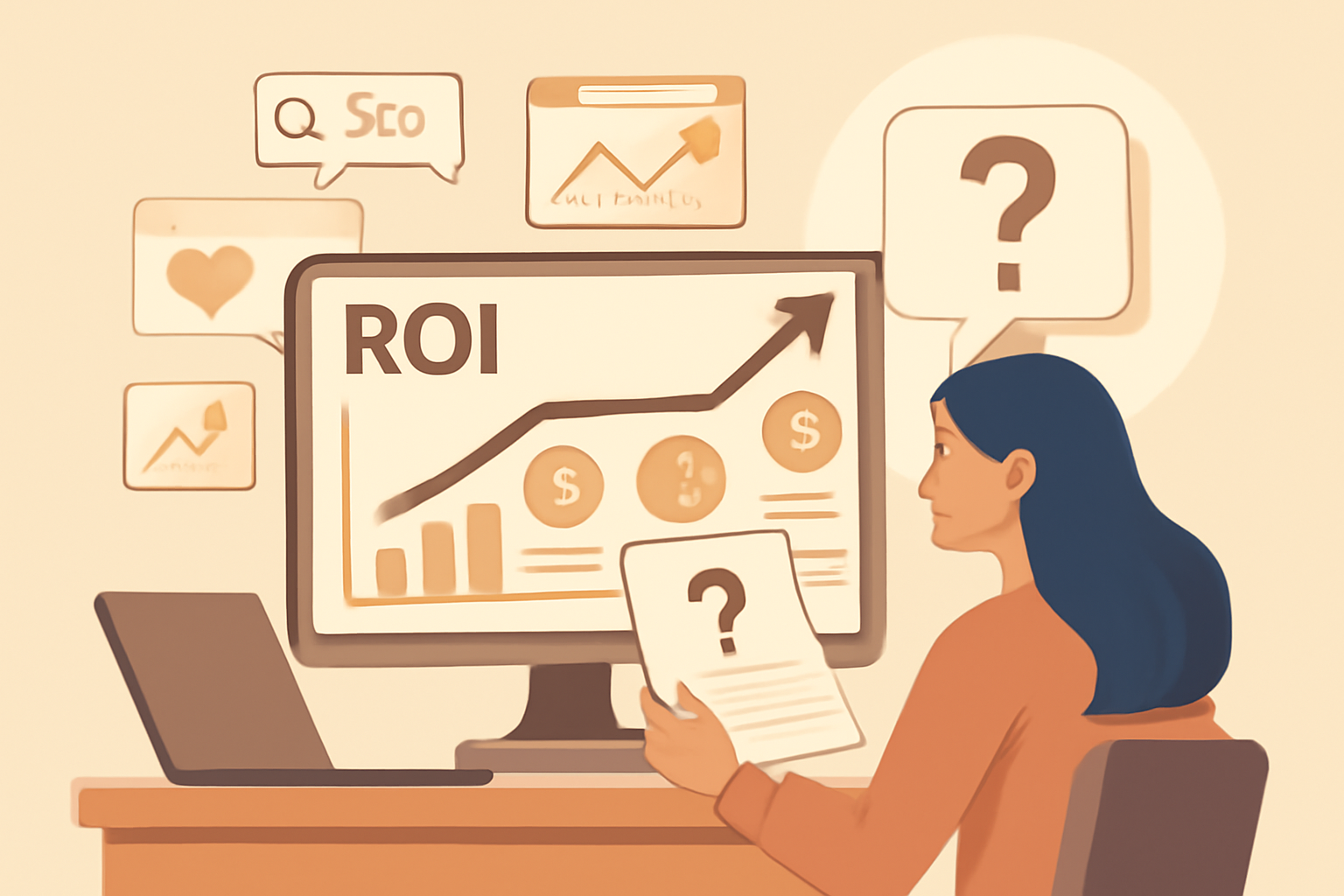
To measure the ROI, track key performance indicators such as website traffic, conversion rates, and revenue generated from organic visitors. Use analytics tools to monitor changes over time, and compare the income from free traffic against any associated costs, such as content creation or SEO tools. This data will help you quantify the effectiveness of your strategies. driving signups.
3. Are there specific strategies that yield higher ROI?
Some strategies, like optimizing your content for search engines using an AI SEO content generator, tend to yield higher ROI due to their ability to drive targeted traffic. Additionally, leveraging case studies of traffic growth can provide insights into which methods are most effective for your niche. Combining various effective traffic methods can also enhance overall results.
4. What role does search engine optimization play in ROI?
Search engine optimization (SEO) is foundational to free website traffic strategies. It improves your website's visibility in search results, increasing the likelihood of attracting organic visitors. A well-optimized site can significantly boost your ROI by driving more qualified traffic that is likely to convert into sales or leads.
To fully understand the role of SEO in enhancing ROI, it's essential to break down its components and how each contributes to attracting and retaining visitors. Here, we will explore the key elements of SEO, practical steps to implement them, and common mistakes to avoid.
Key Components of SEO
SEO encompasses various strategies and techniques that collectively enhance your website's performance. The primary components include:
- Keyword Research: Identifying the right keywords that your target audience is searching for is crucial. Use tools like Google Keyword Planner or SEMrush to find relevant keywords with good search volume and low competition.
- On-Page Optimization: This involves optimizing individual pages on your site. Key aspects include optimizing title tags, meta descriptions, headers, and content. Ensure your keywords are naturally integrated into these elements.
- Technical SEO: This focuses on the backend of your website. Ensure your site is mobile-friendly, has fast loading times, and is secure (HTTPS). A well-structured site helps search engines crawl and index your pages effectively.
- Content Quality: High-quality, relevant content is essential for engaging visitors and encouraging them to stay longer on your site. Regularly update your blog with valuable information that addresses your audience's pain points.
- Link Building: Acquiring backlinks from reputable sites enhances your site's authority and credibility. Focus on creating shareable content and reaching out to other bloggers for guest posting opportunities.
Practical Steps to Implement SEO
Here's a checklist of practical steps to implement effective SEO strategies to improve your ROI:
- Conduct Keyword Research: Identify 5-10 primary keywords relevant to your business. Use long-tail keywords to target specific queries.
- Optimize On-Page Elements:
- Update title tags to include primary keywords.
- Write compelling meta descriptions that encourage clicks.
- Use header tags (H1, H2, H3) to structure your content logically.
- Enhance Content Quality: Create informative and engaging blog posts, guides, or videos that provide value to your audience.
- Improve Technical SEO:
- Check your site speed using tools like Google PageSpeed Insights and make necessary improvements.
- Ensure your site is mobile-responsive.
- Implement structured data markup to help search engines understand your content better.
- Develop a Link Building Strategy:
- Identify potential sites for backlink opportunities.
- Engage in guest blogging or collaborate on content with other businesses.
- Utilize social media to promote your content and attract backlinks.
Common Mistakes to Avoid
While implementing SEO strategies, be aware of these common pitfalls that can hinder your ROI:
- Neglecting Mobile Optimization: With an increasing number of users accessing websites via mobile devices, failing to optimize for mobile can lead to lost traffic.
- Overstuffing Keywords: While keywords are essential, overusing them can lead to penalties from search engines. Aim for natural integration into your content.
- Ignoring Analytics: Regularly monitor your website's analytics to understand user behavior and adjust your strategies accordingly. Tools like Google Analytics can provide insights into traffic sources and user engagement.
- Focusing Solely on Traffic: While attracting visitors is crucial, prioritize converting that traffic into leads or sales. Ensure your website has clear calls-to-action (CTAs) and landing pages optimized for conversions.
By understanding the critical role of SEO in driving free website traffic, you can implement effective strategies that not only attract visitors but also maximize your ROI. Regularly revisiting and refining your SEO efforts will ensure your website remains competitive and continues to generate revenue over time.
5. Can I rely solely on free traffic strategies for revenue?
While free traffic strategies can provide substantial benefits, relying solely on them may not be sustainable in the long run. It's advisable to integrate both free and paid traffic strategies to diversify your traffic sources. This balanced approach can help maintain a steady revenue stream while maximizing the benefits of free traffic.
6. What are some common pitfalls in free traffic strategies?
Common pitfalls include neglecting analytics, failing to stay updated on SEO trends, and not optimizing for user experience. These mistakes can hinder your ROI by limiting the effectiveness of your traffic generation techniques. Regularly reviewing your strategies and adapting based on performance metrics can help avoid these issues.
7. How long does it take to see ROI from free traffic strategies?
The timeline for seeing ROI from free traffic strategies can vary widely depending on your industry, competition, and the effectiveness of your strategies. Generally, it can take a few months to start noticing significant results as search engines take time to index and rank your content. Patience and consistency are key.
8. How do Shopify traffic solutions fit into the ROI equation?
Shopify traffic solutions can enhance your online store's visibility and attract potential buyers. By implementing SEO strategies tailored for Shopify, you can improve organic traffic and potentially increase sales. This directly influences your ROI, making it essential to integrate these solutions as part of your overall traffic strategy.
9. What tools can help analyze the effectiveness of traffic strategies?
There are numerous tools available to analyze the effectiveness of your traffic strategies, including Google Analytics, SEMrush, and Ahrefs. These platforms allow you to track website performance, user behavior, and keyword rankings, providing insights into how your strategies are performing and where improvements can be made.
To get the most out of these tools, it's important to understand what each one offers and how to use them effectively. Here's a breakdown of some of the top tools and how they can assist you in analyzing your traffic strategies.
1. Google Analytics
Google Analytics is a powerful, free tool that provides comprehensive data about your website's traffic. Here's how to utilize it:
- Set Up Goals: Define what success looks like for your site-whether it's form submissions, purchases, or newsletter sign-ups. Goals help you measure conversions directly related to your traffic strategies.
- Analyze User Behavior: Use the Behavior Flow report to see how visitors navigate through your site. This helps identify which pages are performing well and which ones need improvement.
- Monitor Traffic Sources: Check the Acquisition section to see where your traffic is coming from (organic search, social media, referrals, etc.). This insight allows you to focus on the most effective channels.
- Use UTM Parameters: Add UTM parameters to your URLs to track campaign performance more precisely. This can help you analyze the effectiveness of specific marketing efforts.
2. SEMrush
SEMrush is a robust SEO tool that provides detailed insights into your website's performance and competitive landscape. Here's how to leverage SEMrush:
- Keyword Research: Use the Keyword Magic Tool to find relevant keywords for your niche. Analyze their search volume, difficulty, and competitive density to optimize your content.
- Traffic Analytics: This feature allows you to estimate the traffic of any website, providing insights into competitors' strategies. Understanding their traffic sources can reveal opportunities for your own site.
- Site Audit: Regularly conduct site audits to identify technical SEO issues that could be hindering your traffic. SEMrush will provide actionable recommendations to improve your site's health.
- Position Tracking: Monitor your keyword rankings over time. This helps you assess the impact of your SEO efforts and adjust strategies accordingly.
3. Ahrefs
Ahrefs is another excellent tool for analyzing your website's performance and backlink profile. Here's how to use it effectively:
- Site Explorer: Enter your website URL to get an overview of your organic traffic, top-performing pages, and backlink profile. This helps you understand what's working and what needs improvement.
- Content Explorer: Use this feature to find popular content in your niche. Analyze which topics are driving traffic and engagement, and consider creating similar content.
- Keyword Explorer: Discover new keywords and assess their ranking potential. This tool provides a detailed analysis of keyword difficulty and search volume, helping you prioritize your SEO efforts.
- Backlink Analysis: Monitor your backlinks and those of your competitors. Understanding your link profile can help you identify opportunities for link-building and improve your site authority.
Common Mistakes to Avoid
When using these tools, it's easy to make mistakes that can skew your analysis. Here are some common pitfalls to avoid:
- Ignoring Data Over Time: Don't just look at data from one day or week. Analyze trends over a longer period to get a clearer picture of performance.
- Focusing Solely on Traffic Volume: High traffic doesn't always equate to success. Focus on metrics like conversion rates and user engagement to gauge effectiveness.
- Neglecting Mobile Users: Ensure your analysis includes mobile traffic, as a significant portion of users browse on mobile devices. Use Google Analytics to segment mobile traffic for better insights.
- Not Setting Clear Goals: Without clear objectives, it's challenging to measure success. Define what you want to achieve with your traffic strategies to track progress effectively.
By utilizing these tools and avoiding common mistakes, you can gain valuable insights into the effectiveness of your traffic strategies. This will help you make informed decisions that lead to improved ROI and overall website performance.
10. Can I automate my free traffic strategies?
Yes, many aspects of free traffic strategies can be automated. For example, using an AI SEO content generator can streamline content creation, while scheduling social media posts can help maintain consistent engagement. Automating these processes can save time and enhance efficiency, ultimately improving your ROI.
Steps to Automate Your Free Traffic Strategies
To effectively automate your free traffic strategies, follow these steps:
- Identify Key Areas for Automation: Start by pinpointing which aspects of your traffic generation can be automated. This might include content creation, social media management, email marketing, or SEO analysis.
- Choose the Right Tools: Research and select tools that align with your automation needs. For content creation, consider AI-powered tools like Jasper or Copy.ai. For social media, platforms like Buffer or Hootsuite can schedule posts across multiple channels.
- Set Up Your Automation: Once you've chosen your tools, set them up according to your strategy. For content generators, input your keywords and desired content types. For social media, create a content calendar and load it into your scheduling tool.
- Monitor Performance: After automation is in place, regularly check the performance metrics of your automated strategies. Use analytics tools to track engagement, traffic, and conversion rates. This will help you refine your approach over time.
- Adjust as Necessary: Automation is not a set-it-and-forget-it solution. Be prepared to adjust your strategies based on performance data. If certain posts are underperforming, tweak your content or posting schedule.
Examples of Automated Free Traffic Strategies
Here are some practical examples of how to automate your free traffic strategies:
- Automated Blogging: Use an AI content generator to create blog posts based on trending topics in your niche. Input your target keywords, and let the tool generate high-quality articles that you can publish on a set schedule.
- Social Media Scheduling: Create a month's worth of social media posts in advance using a scheduling tool. This ensures that your audience receives consistent updates without requiring daily attention.
- Email Marketing Automation: Set up automated email campaigns that nurture leads. Use an email marketing platform like Mailchimp to send out regular newsletters or promotional emails based on user behavior.
- SEO Monitoring: Utilize tools like SEMrush or Ahrefs to automate your SEO audits. Set up alerts for keyword rankings, backlinks, and site health to stay informed without manual checks.
Common Mistakes to Avoid When Automating
While automation can significantly enhance your traffic strategies, be aware of these common pitfalls:
- Over-Automation: Relying too heavily on automation can lead to a lack of personal touch. Ensure that you still engage with your audience authentically, responding to comments and messages personally.
- Neglecting Analytics: Failing to monitor the performance of your automated strategies can result in missed opportunities for improvement. Regularly review your analytics to adapt and optimize your approach.
- Ignoring Content Quality: Automation tools can produce content quickly, but quality should never be compromised. Always review and edit AI-generated content to ensure it meets your standards.
- Sticking to Rigid Schedules: While scheduling is essential, be flexible to current events and trends. Adjust your automated posts to remain relevant and timely.
Benefits of Automating Your Free Traffic Strategies
Automating your free traffic strategies offers several benefits, including:
- Time Savings: Automation frees up your time, allowing you to focus on other critical areas of your business.
- Consistency: Regular posting and engagement help maintain audience interest and improve brand visibility.
- Scalability: As your business grows, automation allows you to scale your traffic strategies without significantly increasing your workload.
- Enhanced Data Insights: Automated tools often provide detailed analytics, giving you valuable insights into your audience's behavior and preferences.
By implementing these automated strategies and avoiding common mistakes, you can effectively enhance your free traffic efforts, saving time while maximizing your ROI. Remember, the key is to balance automation with genuine engagement to foster a strong relationship with your audience.
11. How important is content quality for ROI?
Content quality is paramount when it comes to ROI. High-quality, relevant content not only engages users but also ranks better in search engines, leading to increased organic traffic. Investing in quality content can significantly boost your chances of achieving a positive ROI through free traffic strategies.
Understanding Content Quality
Content quality refers to how well your content meets the needs of your audience. It encompasses several factors, including relevance, accuracy, depth, and engagement. Here are some key elements that contribute to high-quality content:
- Relevance: Ensure the content addresses the interests and pain points of your target audience.
- Accuracy: Use factual information and data to support your claims, enhancing credibility.
- Depth: Provide comprehensive insights that explore the topic in detail, rather than surface-level information.
- Engagement: Use storytelling, visuals, and interactive elements to keep readers interested and encourage them to share.
The Impact of Quality Content on SEO
Search engines prioritize high-quality content in their ranking algorithms. Here's how content quality directly influences your SEO efforts and, consequently, your ROI:
- Higher Rankings: Quality content is more likely to earn backlinks, which can boost your site's authority and improve search rankings.
- Lower Bounce Rates: Engaging content keeps visitors on your site longer, signaling to search engines that your content is valuable.
- Increased Shares: When users find your content useful, they are more likely to share it on social media, driving additional traffic.
Steps to Create High-Quality Content
To ensure your content delivers a strong ROI, follow these steps:
- Research Your Audience: Understand their needs, preferences, and pain points through surveys, social media, and analytics.
- Conduct Keyword Research: Identify relevant keywords and phrases that your audience is searching for to guide your content creation.
- Create a Content Plan: Develop a content calendar that outlines topics, formats, and publishing schedules to maintain consistency.
- Write Compelling Headlines: Craft headlines that grab attention and accurately reflect the content to improve click-through rates.
- Use Visuals: Incorporate images, infographics, and videos to enhance understanding and retention of information.
- Edit and Optimize: Review your content for clarity, grammar, and SEO best practices before publishing.
Common Mistakes to Avoid
While creating content, be mindful of these common pitfalls that can undermine quality and, ultimately, your ROI:
- Ignoring SEO: Failing to optimize your content for search engines can limit its visibility and reach.
- Overly Promotional Content: Content that focuses too much on selling can turn off readers; aim for a balance between value and promotion.
- Neglecting Updates: Outdated content can harm your credibility; regularly review and refresh your content to keep it relevant.
- Skipping Analytics: Not tracking performance metrics can prevent you from understanding what works and what doesn't.
Measuring the ROI of Quality Content
To assess the ROI of your content quality, consider the following metrics:
- Traffic Growth: Monitor increases in organic traffic and page views over time.
- Engagement Rates: Track metrics such as time on page, bounce rate, and social shares to gauge content effectiveness.
- Conversion Rates: Measure how many visitors complete desired actions (e.g., signing up for a newsletter, making a purchase) after engaging with your content.
- Backlink Acquisition: Keep an eye on how many backlinks your content earns, indicating its value to other sites.
Ultimately, the quality of your content is a crucial factor in determining the success of your free traffic strategies. By focusing on creating high-quality, valuable content, you can improve your SEO performance, drive more organic traffic, and achieve a positive ROI.
12. What is the future of free website traffic strategies?
The future of free website traffic strategies is likely to be heavily influenced by advancements in AI and changes in search engine algorithms. Staying informed about these trends will be crucial for maintaining and optimizing your strategies. Leveraging insights from Free Traffic Blogger insights can keep you ahead of the curve and enhance your ROI.
To maximize the ROI of your free website traffic strategies, start by analyzing your current performance metrics and identifying areas for improvement. Consider integrating tools and techniques that align with your business goals, and remain adaptable to changes in the digital landscape.
Want to get free traffic from Google & ChatGPT? Click the button to learn more about how we can do that for you on autopilot!
Learn More